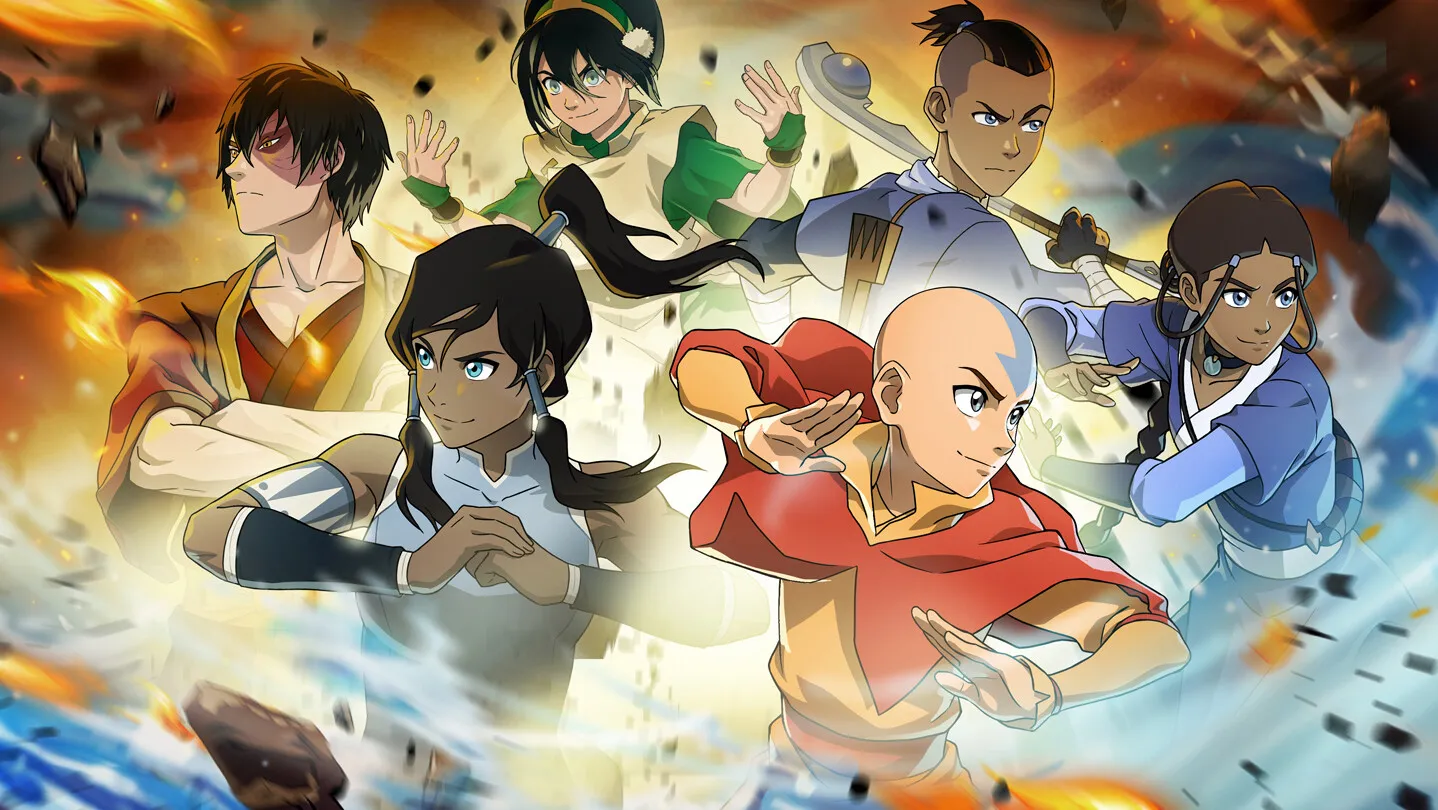
Avatar Legends Fighting Game elements explained — how water, earth, fire and air map to playstyles, Element Surge, non-benders, and which element to pick.
Avatar Legends Fighting Game Elements: Water, Earth, Fire & Air Explained
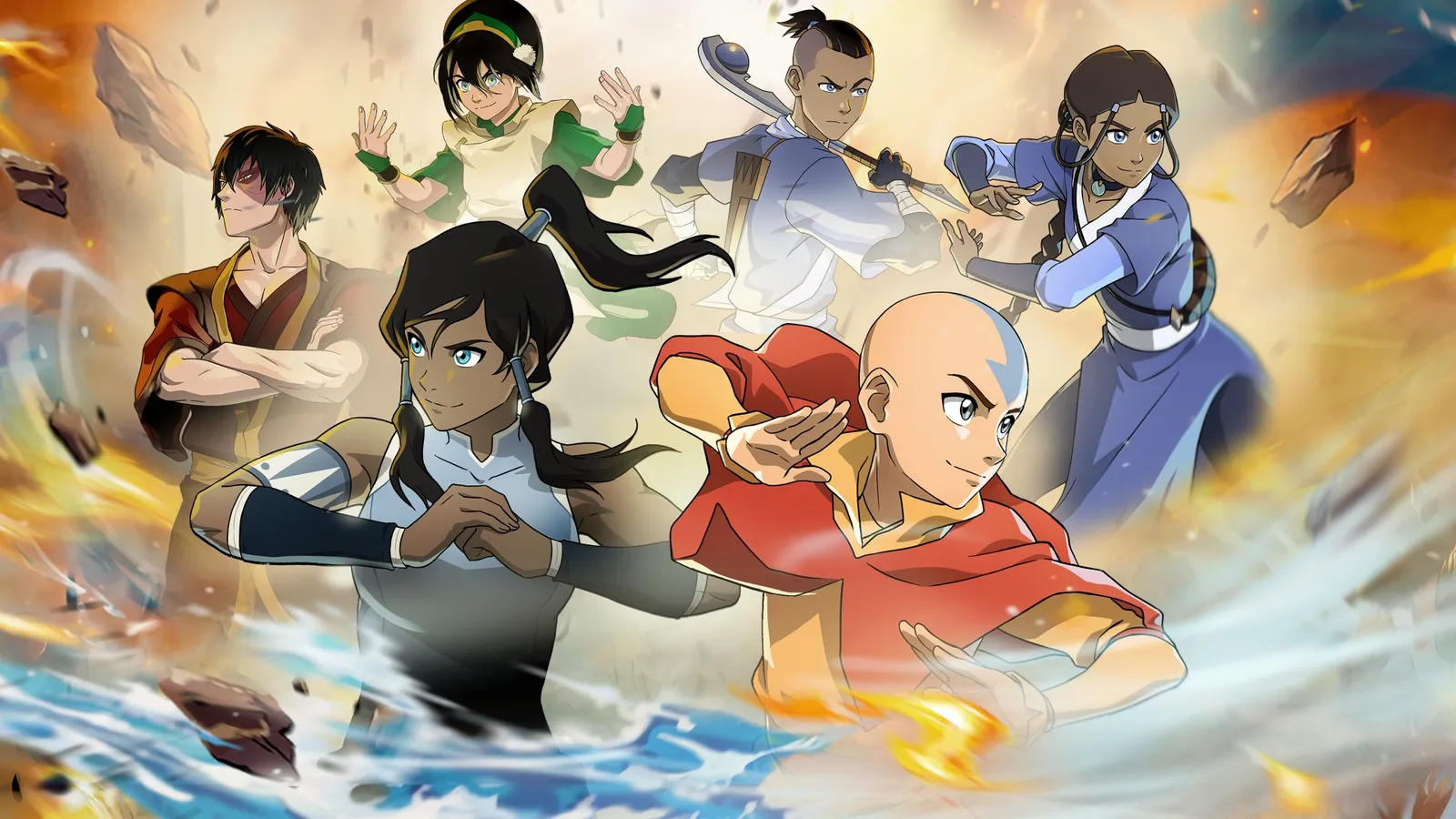
Avatar Legends: The Fighting Game is built around the four elements — water, earth, fire and air — but unlike a rock-paper-scissors system, the elements here map to playstyles and archetypes, not counter relationships. Every fighter's element tells you what their Flow movement, normals and specials are trying to do: water controls space with reach and ice, earth wins with armor and stage control, fire pressures with mobility and traps, and air moves around everything with evasion. There are also non-benders (Sokka at launch, Ty Lee coming in DLC) who prove the roster isn't only about bending. This guide explains what each element actually does in-game, how the Element Surge system works, and which element fits your playstyle.
Here's what you'll learn:
- How the four elements map to fighting-game archetypes
- Water: zoning, ice and reach
- Earth: armor, pillars and stage control
- Fire: pressure, traps and air mobility
- Air: movement and evasion
- Non-benders and what they add
- Element Surge and whether elements actually counter each other
- Which element to play, by player type
Official resources: Steam store page · Official site · Paramount Games page · PlayStation Blog element breakdown · IGN review
How the Four Elements Work in Avatar Legends
The official Steam page opens with "Water. Earth. Fire. Air. Master the elements and clash as legendary characters" — and the official PlayStation Blog describes how "every legend changes how the fight feels — pressure, counters, and support all shift with the element you pick." Two important facts about the system:
- Elements are identity, not counters. There is no water-beats-fire bonus. The element determines a character's tools (projectiles, armor, movement), and matchups play out through those tools, not through elemental affinity.
- Two fighters of the same element can play nothing alike. Two masters of the same element "share neither the same speed, nor the same combo routes, nor the same identity" — Toph and Kyoshi are both earth, and they're almost opposites (grounded grappler-ish vs. giant space controller). The roster guide has the full cast breakdown.
Don't go into a match expecting water to beat fire. Pick your element by playstyle: range lovers pick water, walls pick earth, aggressors pick fire, ghosts pick air. The matchup is decided by tools — projectiles vs armor vs mobility — not elemental affinity.
Water: Zoning, Ice and Traps
Water characters control space and distance:
- Katara is the roster's purest zoner: full-screen Water Whip Stance, ice projectiles, ice traps, and Flow movement that slides around opponents. She wins by making you approach into her reach — see the Katara guide.
- Korra is water-primary but plays as a brawler with projectiles (Wave Fist), and her Avatar Cycle rotates through all four elements — see the Korra guide.
Water archetypes in one line: if you like keeping opponents at range and punishing approaches, water is your element.
Earth: Armor, Pillars and Stage Control
Earth characters win the ground war:
- Toph is the archetype: 1,100 health, armored normals, a meterless command grab, and the unique pillar system that builds walls and platforms mid-match. She forces opponents to play around her stage control — see the Toph guide.
- Kyoshi is the big-body space controller who uses all four elements on an earth base, with the roster's longest pokes and a self-heal — see the Kyoshi guide.
- Coming in DLC: Bolin (lavabending) and Lin Beifong (metalbending cables) extend the element — see the DLC previews guide.
Earth archetypes in one line: if you like being the wall that hits back, earth is your element.
Fire: Pressure, Traps and Mobility
Fire characters are the roster's most represented element (more than half the launch fighters use it, per community roster analysis), and the most varied:
- Zuko is the mid-range duelist — reliable anti-airs, fire pokes, divekicks, and a unique Redemption gauge. The classic "learn spacing" character.
- Azula is the high-speed trap monster with two modes (Focused precision and Firelord pressure) and the game's best air mobility — see the Azula guide.
- Ozai is the Boost-powered pressure fighter who becomes a grappler with the right support — see the Ozai guide.
Fire archetypes in one line: if you want to be the one pressing buttons, fire is your element.
Air: Movement and Evasion
Air characters are built around not being where you're looking:
- Aang is the rushdown trickster with the most Flow movement options in the game — see the Aang guide.
- Zaheer is the free-flight menace whose Red Lotus supports (P'Li, Ming-Hua, Ghazan) join the fight as actual assists — a uniquely aggressive air game — see the Zaheer guide.
- Avatar State Aang is the air-flavored zoner who flies with Harmonic Drift and controls every screen position with projectiles — see the Avatar State Aang guide.
Air archetypes in one line: if you like being untouchable and unpredictable, air is your element.
Non-Benders: Sokka and the DLC Chi-Blockers
Not every fighter needs an element. Sokka is the launch roster's only non-bender — he fights with a boomerang, war club and meteorite sword, plus the best Flow-cancel freedom in the game (see the Sokka guide). The Year 1 Pass adds Ty Lee, the acrobatic chi-blocker whose pressure shuts down an opponent's bending — proof that the game deliberately keeps a non-bending lane viable (see the DLC previews guide for her announced kit).
Element Surge and Elemental Matchups
Element Surge is the one mechanic that's genuinely element-flavored: it's a per-element property that improves resourceless special and Flow moves in combos. Per the community mechanics documentation:
- Surge-triggering moves are unique to each character, and only one Surge per element can be used per combo — once used, the move loses most of its extra hitstun.
- Each element surges differently: fire surges add combo windows (Zuko's 22C is a fire surge that's +6 on block in the corner and a loop tool), water surges can freeze or heal (Avatar State Aang's water moves surge into ice that heals a small amount), earth surges add armor/knockdown utility, and air surges enable extension routes.
- Some supports grant extra surges: Zuko with Mai gets two additional fire-element surges (3D
B and 2DC), which is why support choice changes not just your options but your combo routes.
On "countering": there is no elemental counter system, but there are archetype matchups that feel like one. Fast air characters (Aang, Azula) can run circles around slow big bodies (Kyoshi); armored earth characters (Toph) body rushdown attempts with armor trades; zoners (Katara) make it miserable for characters without projectiles (Sokka). The tier list page discusses these matchups in more depth.
Which Element Should You Play?
| You like... | Element | Start with |
|---|---|---|
| Winning at range, punishing approaches | Water | Katara (easy to be safe, high ceiling) |
| Being sturdy and hitting hard | Earth | Toph (the roster's best beginner pick) |
| Constant pressure and flashy combos | Fire | Zuko (simple) → Azula (high execution) |
| Movement and mind games | Air | Aang (tricky) or Zaheer (unique assists) |
| Playing by your own rules | Non-bender | Sokka (technical, high ceiling) |
If you're brand new, the how to play guide plus Toph or Korra is the community-standard onboarding path; the character guides index links every fighter's full guide. The good news is that in Avatar Legends, the element is a starting point, not a cage — the roster's best trait (per IGN's review) is that each of the 12 fighters "genuinely plays differently," and the same element can take you in completely different directions.
Frequently Asked Questions
How do the four elements work in Avatar Legends: The Fighting Game?
They map to playstyles, not counters: water = zoning and reach, earth = armor and stage control, fire = pressure and mobility, air = evasion and movement. Same-element fighters still play completely differently (e.g. Toph vs Kyoshi).
What does each element's playstyle look like in Avatar Legends?
Water controls space (Katara zoner, Korra brawler), earth wins the ground war (Toph pillars, Kyoshi pokes), fire pressures (Zuko duelist, Azula traps, Ozai boost), and air moves around everything (Aang rushdown, Zaheer flight, Avatar State Aang zoning).
Is there an element counter system in Avatar Legends?
No — there's no water-beats-fire bonus. There are archetype matchups that feel like counters (fast air characters beat slow big bodies; zoners beat characters without projectiles), but elements themselves don't counter each other.
What is Element Surge in Avatar Legends?
A per-element mechanic that improves resourceless special/Flow moves in combos: only one surge per element per combo, and each element surges differently (fire adds combo windows, water can freeze/heal, earth adds armor/knockdown utility, air enables extensions). Some supports grant extra surges.
Which element is best for beginners in Avatar Legends?
Earth (Toph) and water-primary (Korra) are the community-standard beginner picks: sturdy, forgiving, high-tier. Fire (Zuko) is the easy spacing tutor; Azula and Aang are high-execution; Sokka is the technical project.
Related Guides
- Avatar Legends Fighting Game Tier List
- Avatar Legends Fighting Game Roster
- Avatar Legends Fighting Game How to Play
- Avatar Legends Fighting Game Character Guides Index
- Avatar Legends Fighting Game Frame Data Guide
Last Updated: August 14, 2026
More Avatar Legends: The Fighting Game Guides
Full Avatar Legends Fighting Game roster — all 12 launch fighters by element, 36 supports, unlockable Avatar State Aang and Nightmare Korra, and Year 1 DLC.
Story Mode explained: Riftbending plot by DiMartino and Hedrick, 27 chapters, difficulty, playtime, and the Avatar Aang and Nightmare Korra unlocks.
Avatar Legends Fighting Game system requirements — official min specs, recommended hardware, Steam Deck, FPS performance, download size and controllers.
Avatar Legends Fighting Game tier list — S/A/B launch rankings, the best characters, beginner-friendly picks, and how patches will move them.
Aang guide: full airbender moveset (Air Scooter, Gliders, Wind Summon), which support to pick — Gyatso, Appa or Momo — plus combos, critical hits and strategy.
Avatar State Aang Avatar Legends guide — unlock via Chapter 11-1 or cheat code, plus his zoning moveset, Harmonic Drift, supports and 875 health.
Azula guide for Avatar Legends: The Fighting Game — Focused vs Firelord mode, oil traps, just-frame moves, supports (Lo and Li, Joo Dee, Ursa) and combos.
Katara guide for Avatar Legends: The Fighting Game — waterbending moveset, Water Whip Stance mixups, the best support (Kanna, Pakku or Hakoda), and combos.