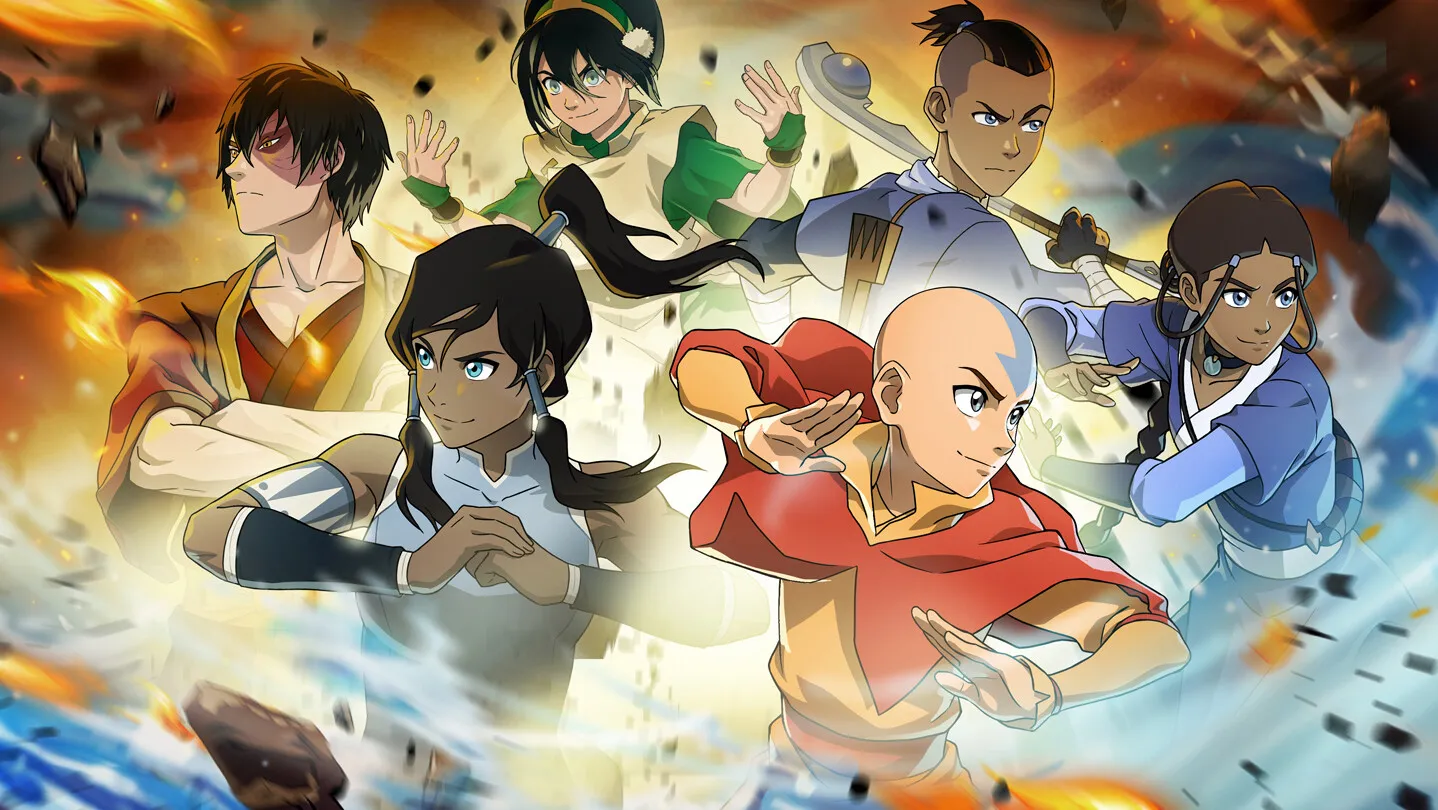
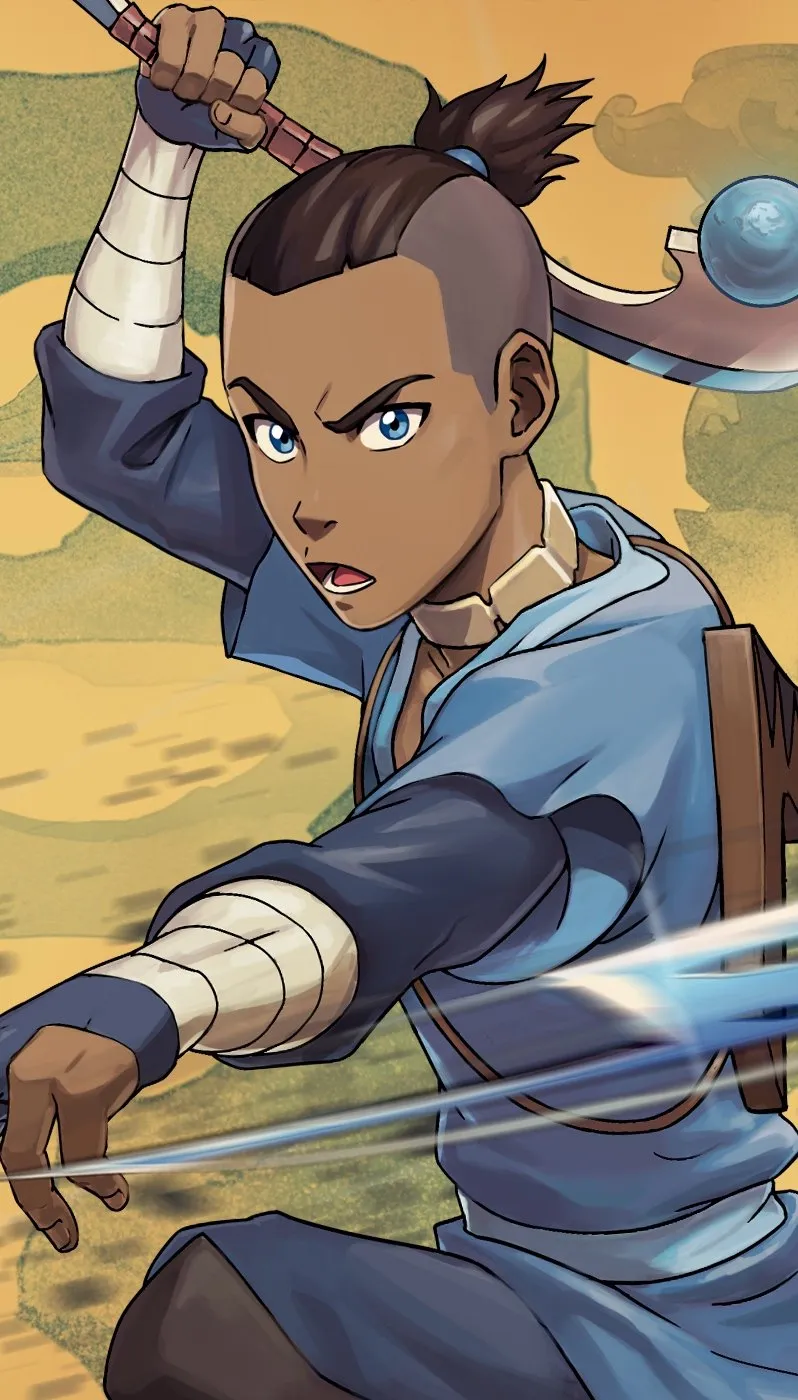
Sokka guide for Avatar Legends: The Fighting Game — the non-bender's boomerang, club and meteorite sword moveset, supports (Suki, Piandao, Yue) and combos.
Sokka Avatar Legends Guide: Boomerang, Sword & Combos
Sokka is the only non-bender in the launch roster of Avatar Legends: The Fighting Game, and he plays like it: where everyone else channels elements, he fights with a boomerang, a war club and his legendary meteorite sword — plus the best Flow-cancel freedom in the game. He's a technical, momentum-based character who rewards players who think several steps ahead: community guides compare him to Guilty Gear's Chipp Zanuff for mobility, Persona 4 Arena's Junpei for weapon progression, and Skullgirls' Ms. Fortune for tricky projectile pressure. The catch is that he's also one of the hardest characters to win with at launch — most tier lists place him in the bottom group. This guide covers his unique rules, his boomerang, supports, combos, and how to make him work.
Here's what you'll learn:
- How Sokka's non-bender kit bends the game's rules
- The boomerang: his best tool and his biggest risk
- His moveset: sword levels, Rising Wallop, Super Duper Slash
- Which support to pick — Suki, Master Piandao or Princess Yue
- Combos built around his unique Flow cancels
- Why he's ranked low and how to overcome it
Official resources: Steam store page · Official site · Paramount Games page · IGN wiki · PlayStation Blog element breakdown
Sokka's Unique Non-Bender Kit
Sokka stands out on the roster in the elements system as the "non-bender" archetype — and the developers leaned into it with two mechanical quirks nobody else has:
- He can cancel many normals into Flow options more freely than any other character. That means constant repositioning: zip in, whiff a poke, cancel into a Flow move, and be somewhere else before the opponent can punish.
- He cannot chain his normals into C (Heavy) attacks. Every other fighter can do the standard light→medium→heavy magic series. Sokka can only go light→medium (with 5AA as the exception). His heavy weapon attacks hit hard and have great combo potential — but you have to land them raw, off reads and spacing, not off a gatling chain.
That tradeoff is the whole character: a rushdown-adjacent fighter who wins with unpredictability instead of pressure strings. The how to play guide covers the base rules he's bending.
The Boomerang: Sokka's Best Tool and Biggest Risk
The boomerang is Sokka's signature special:
- Thrown at three different angles (ground, air and angle variants)
- Always returns after being thrown — potentially hitting the opponent a second time from an unexpected direction
- Can be thrown mid-combo, in the air, and used as a far-range poke
The catch is literal: when the boomerang returns, Sokka must catch it (or pick it up). Most of his animations cancel into the Boomerang Catch, and he can even block during the catch — but if he misses it, he's lost his best zoning tool until it comes back or he picks it up. That's the main reason community match analysis describes his game as "waiting for the boomerang" — opponents can punish the recovery if you throw it carelessly.
Every throw is a commitment: the return timing is predictable, and a Sokka who throws from neutral without a plan is a Sokka who's about to get jumped on. Use it to cover your approach or to make the opponent block, then confirm — not as a fireball to spam.
Sokka Moves: Sword, Club and Super Duper Slash
- Rising Wallop (4B) — his command normal, a club swing that launches and feeds his combo game.
- Meteorite sword — his space sword gains power over the match; with Master Piandao support he gains sword levels that multiply sword damage and unlock more combo routes (the community compares it to Junpei's persona levels).
- Super Duper Slash — his flashy special. It looks great but is not his best button: story-mode guides (TheGamer) explicitly warn that the boss Ozai counters it almost every time and its damage isn't worth the risk.
- Air/ground throws — the standard A+D throw input (jump version in air), with a fast 3-frame air throw that most of the cast can combo from.
His frame data (SuperCombo's community measurements) shows a standard health pool of 1000 and jab-speed normals; the real differentiator is his cancel freedom rather than his numbers — see the frame data guide for the full picture.
Best Sokka Supports: Suki, Piandao or Yue?
| Support | Effect | What it changes |
|---|---|---|
| Suki | Cheaper Flow cancels | Lowers the Chi cost of his Flow cancels — more repositioning, more mixups. (Some community guides describe her Warrior's Blessing as a speed/Flow-regen install; the in-game text frames it as cheaper cancels — verify in the command list.) |
| Master Piandao | Sword levels | Sword damage multiplier and access to higher-level sword combo routes. The recommended pick for damage-focused Sokka. |
| Princess Yue | Better boomerangs | Boomerang rope/improved boomerang properties — better angles and pressure from the returning hit. |
Diaphone's ease-of-use breakdown (via EventHubs, August 2026) recommends starting with Piandao — the sword damage and extra routes give Sokka a concrete win condition while you're still learning his flow. Suki is the high-execution option for players who want to maximize his movement game; Yue is the zoning variant.
Sokka Combos and Flow Cancels
Numpad notation; A/B/C = Light/Medium/Heavy, F = Flow, SUP = A+B+C. Per the combos guide, the universal beginner routes apply to Sokka with adjustments for his no-heavy-chains rule.
Basic confirm (works off almost anything):
5A > 5B > (Flow cancel) > j.A > j.B > 5C (raw heavy confirm)
Because you can't chain into C, the heavy comes out as a raw confirm after a whiff punish or a Flow-cancel reposition — which is exactly the "hit them where they weren't" pattern Sokka is built around.
Boomerang setup route:
Throw boomerang (angle 1) > 5A > 5B > catch boomerang as it returns > 5C or command grab
The boomerang covers your approach and forces a block; the return hit or the catch keeps your turn going. Drill the catch timing in Training — the training features (Breakdown mode) are built for exactly this.
Corner carry (Piandao):
j.B > j.236B > 5AA > 5B > sword route > 236 SUP
Piandao's sword levels turn his juggles into real damage; confirm the air chain before spending the Super.
Sokka Matchups and Weaknesses
The tier list community is honest about Sokka: C-tier at launch in most roundups. The reasons:
- His run feels awkward compared to dash-based characters, and his movement is Flow-hungry.
- No heavy chains means lower reward from standard confirms — he has to work harder for the same damage.
- Boomerang dependency — his pressure dies when the boomerang is off-screen.
- Execution ceiling — the same toolkit that makes him creative also makes him unforgiving.
The upside: his kit has three boomerang angles, weapon progression, and unmatched Flow-cancel freedom — allthings.how's launch tier notes he's "promising pieces" and the character with the most room to climb as players lab his routes. If you enjoy technical, momentum-based fighters, he's the most rewarding project on the roster; see the character guides index for alternatives if you want results sooner.
Frequently Asked Questions
Is Sokka good in Avatar Legends: The Fighting Game?
At launch he's the consensus bottom-tier character (C-tier in most roundups): awkward run, no heavy chains, and boomerang dependency. But his toolkit is widely considered the most creative on the roster, and community labbing is expected to move him up.
How does Sokka fight without bending in Avatar Legends?
With weapons and movement: a boomerang (three angles, returns, must be caught), a war club, his meteorite sword, and the most generous Flow-cancel freedom in the game. He repositions constantly and punishes with raw heavy hits instead of standard chains.
How does Sokka's boomerang work?
Throw it from ground or air at three angles; it always returns, hitting a second time if it crosses the opponent. Sokka must catch or pick it up when it comes back — most animations cancel into Boomerang Catch, and he can block during it, but missing it leaves him without his best zoning tool.
Which Sokka support is best — Suki, Piandao or Yue?
Master Piandao is the recommended starter (sword damage and extra combo routes). Suki lowers Flow-cancel cost for a movement-heavy game; Princess Yue upgrades the boomerang for a zoning game.
Why can't Sokka chain into heavy attacks?
It's his unique balance tradeoff for having the best Flow-cancel freedom in the game: he can only chain light→medium (5AA excepted), so his heavy weapon attacks have to be landed raw off reads, spacing and confirms rather than through standard magic-series chains.
Related Guides
- Katara Avatar Legends Guide: Moves, Combos & Matchups
- Azula Avatar Legends Guide: Focused & Firelord Moves
- Avatar Legends Fighting Game Combos
- Avatar Legends Fighting Game Elements Explained
- Avatar Legends Fighting Game Frame Data Guide
Last Updated: August 14, 2026
More Avatar Legends: The Fighting Game Guides
Toph guide for Avatar Legends: pillar wall mechanics, meterless command grab, Element Surge, Supercombo inputs, frame data table, and armor combo routes.
Zaheer guide for Avatar Legends: flight mechanics, Red Lotus assists, Element Surge, Supercombo input table, 236X glider routes, and high-damage combos.
Avatar State Aang Avatar Legends guide — unlock via Chapter 11-1 or cheat code, plus his zoning moveset, Harmonic Drift, supports and 875 health.
Avatar Legends combos explained: chain combos, auto combos, EX moves, Energy costs, Flow cancels, Super Arts, and how to practice in Training and Trials.
All Avatar Legends DLC: Year 1 Pass (Iroh, Ty Lee, Lin Beifong, Bolin), fan-vote fifth slot, free Tagah in Fall 2026, prices and value.
Avatar Legends Fighting Game frame data — startup, active, recovery and advantage explained, universal Chi costs, and notes for Katara, Toph and Ozai.
Nightmare Korra Avatar Legends guide — unlock via Chapter 6-1 or cheat code, her Phantom teleport moveset, 850 health, supports and combos.
Does Avatar Legends have rollback? Yes — how the proprietary netcode works, online play feel, crossplay limits (Switch excluded) and latency tips.