Every IRON NEST shell type explained: HE, AP, HCHE, SMK, STAR, chemical (PGAS/TGAS), PRPG, White Phosphorus and Atomic — plus tier ratings and when to use each.
IRON NEST Shell Types — Full Ammo List & Guide
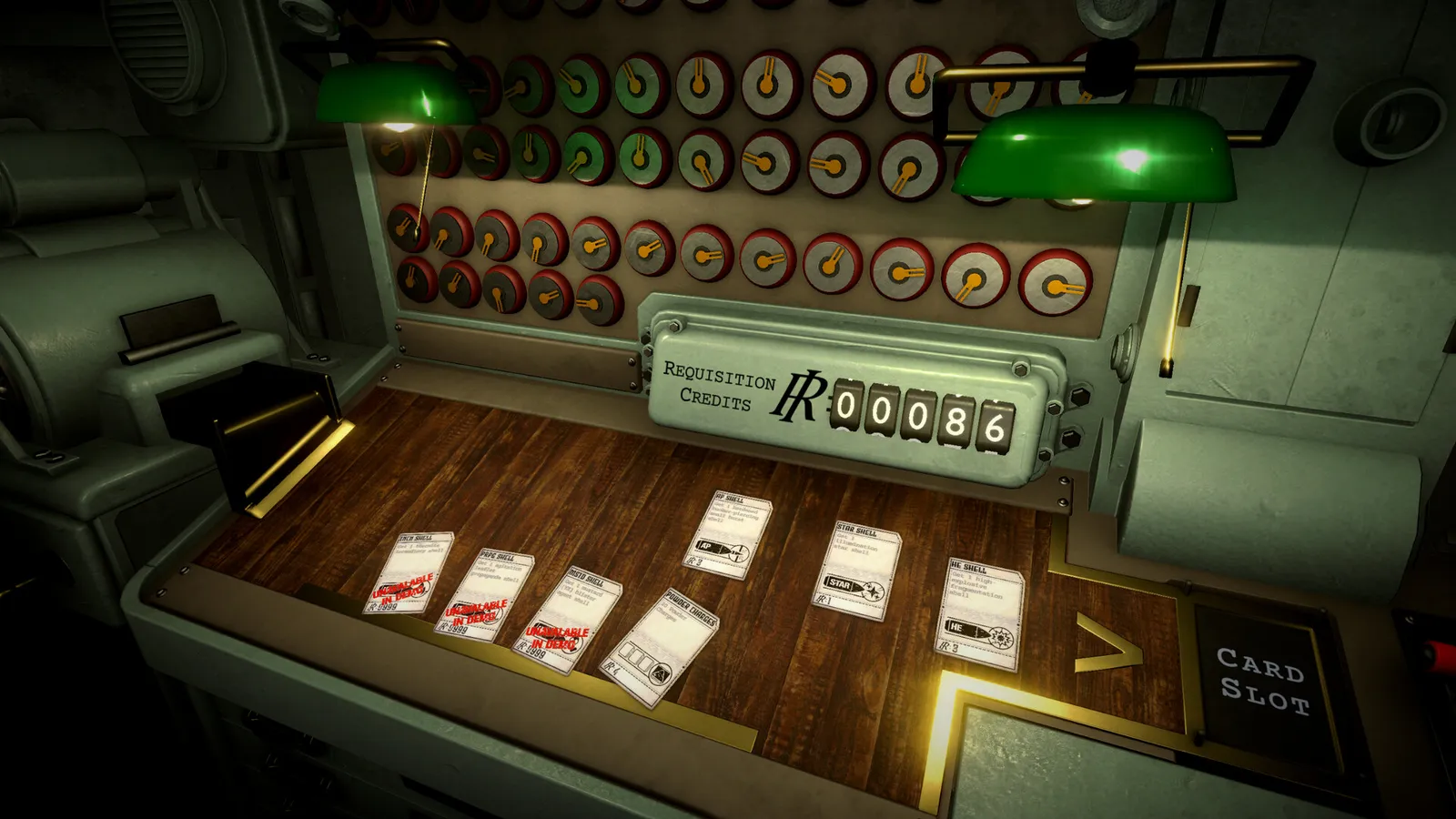
IRON NEST: Heavy Turret Simulator ships with over 30 shell types — each with its own model, ballistics, dispersion, and job. There's no single "best" shell: the game is built around matching shell to situation. This guide covers the core ammo families, tier ratings, the chemical shells with their moral consequences, and the special shells (PRPG, White Phosphorus, Atomic) that decide the endings.
Here's what you'll learn:
- How shell ballistics and charge-to-range tables work
- The S/A/B/C tier ratings for the core ammo
- Every shell family explained: HE, AP, HCHE, SMK, STAR, chemicals
- The special shells and their mission roles
- How shell choice ties into the game's moral system and endings
Official resources: Steam store page · IGN game page · Official site
How Shells Work: Ballistics & Charge Tables
Every shell in IRON NEST has its own ballistics, dispersion and job. The practical consequences:
- Ballistics — the flight path; some shells arc higher, some fly flatter
- Dispersion — how tight the grouping is; precision shells put rounds closer together
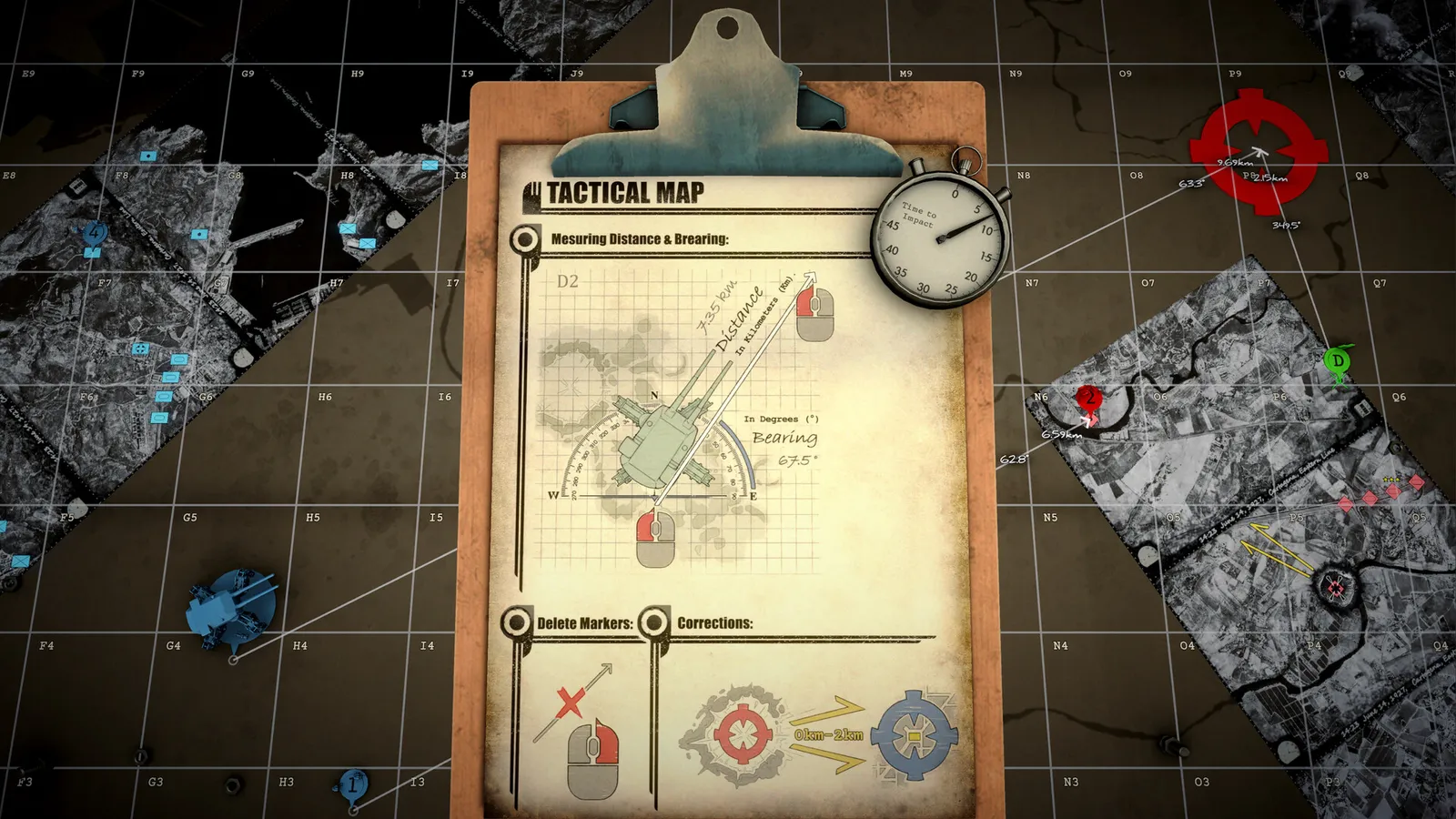
- Charge-to-range table — each shell has its own distance-per-charge mapping (up to six charges), so "charge 4 at 12 km" means a different answer per shell type
With 30+ shells, you can't memorize everything — but you can memorize your mission-critical ones. Keep the ironnestdb.com charge tables handy for the shells you actually deploy, and look up the rest on the fly.
Shell Tier Ratings
The community rates the core ammo (per the Iron Nest Wiki):
| Tier | Shells | Role |
|---|---|---|
| S | HE (High Explosive) | Largest blast radius, area suppression |
| A | AP (Armor Piercing), HCHE | Hardened targets; sustained bombardment |
| B | STAR, PGAS | Illumination; chemical suppression |
| C | SMK, TGAS | Obscuration; cheap chemical option |
Core Shells Explained
- HE (High Explosive) — S-tier. The largest blast radius for area suppression. Your general-purpose answer to infantry and soft targets.
- AP (Armor Piercing) — A-tier. Concentrates force on hardened targets with minimal splash damage. For bunkers and armor, not crowds.
- HCHE (High-Capacity HE) — A-tier. Balances blast radius with payload weight for sustained bombardment — the workhorse of long campaigns.
- SMK (Smoke) — C-tier. Creates visual screens for repositioning. Required for the Siege of Cartagena's live breakout support — check your loadout before deploying.
- STAR (Star shell) — B-tier. Illuminates sectors for night operations. Bring it for night missions or you're firing blind.
Loading & Barrel Setup
How you load matters as much as what you load:
- The big gun takes up to six charges — charge count is part of the firing solution, not just the shell choice
- Two guns can be laid separately — you can keep one loaded with HE for area targets and the other with AP for armor, switching between them instead of reloading mid-engagement
- Shells have different dispersion — for precision shots (AP at long range), accept the slower reload of a tighter shell rather than spraying high-dispersion HE
If a mission has a required shell (like SMK at Cartagena), dedicate one gun to it and keep the other flexible. You never want to be caught reloading SMK while an armored target closes.
Mission Shell Priorities
Quick reference for what to bring where:
| Mission type | Priority shells |
|---|---|
| General bombardment | HE (S-tier) |
| Bunkers/armor | AP |
| Sustained campaigns | HCHE |
| Siege of Cartagena | SMK required |
| Night operations | STAR |
| Finale (White Shells) | PRPG / Chemical / Atomic (ending choice) |
Chemical Shells & the Moral System
Chemical Shells & the Moral System
The chemical family is where IRON NEST stops being purely mechanical:
- PGAS (Phosgene Gas) — B-tier chemical; suppresses areas without heavy physical destruction
- TGAS (Tear Gas) — C-tier; the cheapest chemical option, less lethal
- White Phosphorus — the more severe chemical route (used in the "A City Subdued" ending)
Firing chemical shells triggers the game's moral-choice system and newspaper consequences — the in-game press reacts, and the story treats chemical warfare differently from conventional HE. Your choices here shape the campaign's tone and some outcomes.
Special Shells: PRPG, White Phosphorus & Atomic
Three shells exist mostly for the finale (Mission 15, White Shells):
- PRPG — propaganda leaflet shell. Fire it into Barcelona for the A City in Celebration ending.
- White Phosphorus — the chemical route to A City Subdued.
- Atomic — fire it into Barcelona for A City Silent, the game's darkest ending.
In Mission 15 you only fire once. The shell you load is the ending. If you want all four endings, you'll replay the mission with each shell choice (see our endings guide).
Multiplayer, Co-op & VR
The most-asked platform questions about IRON NEST:
- Is IRON NEST multiplayer? The game supports co-op play — community guides and the official database confirm co-op as a supported mode; there's also a co-op/multiplayer mod scene that extends it.
- Does IRON NEST support VR? Yes — VR support is confirmed and is a heavily requested feature (VR play is a big draw for the simulation community).
- Steam Deck: supported per the database's FAQ.
Multiplayer and VR specifics continue to evolve with patches — ironnestdb.com's FAQ tracks the current state of co-op, VR and Steam Deck support.
FAQ
How many shell types are in IRON NEST? Over 30 at launch, per the developers — each with unique model, ballistics, dispersion and mission role.
What is the best shell in IRON NEST? There's no universal best — HE (S-tier) is best for area suppression, AP for hardened targets, SMK for the Cartagena support objective, and the special shells (PRPG/Atomic) for the ending.
Do chemical shells have consequences in IRON NEST? Yes — chemical shells (PGAS/TGAS/White Phosphorus) trigger the moral-choice system and in-game newspaper consequences.
Is IRON NEST multiplayer? Yes — co-op is supported, and the community has extended multiplayer mods; VR and Steam Deck are also supported.
Does IRON NEST support VR? Yes, VR support is confirmed.
Related Guides
- IRON NEST Achievements & Medals Guide — 33 Steam Achievements + Every Gold Medal
- IRON NEST Beginner's Guide — How to Play, Controls & First Missions (2026)
- IRON NEST Dead Reckoning — Mission 9 Walkthrough & Tear Shell Strategy
- IRON NEST Walkthrough — Mission 2, 3 & Dead Reckoning
- IRON NEST Missions Guide: All 15 Campaign Missions
More IRON NEST: Heavy Turret Simulator Guides
IRON NEST mods: the MelonLoader community, installing mods, the VR/Co-op/PvP multiplayer mod, the IronNestFCS fire-control mod, and mod support status.
IRON NEST platforms explained: PC-only on Steam, GOG and Epic, no Xbox/PS5 version yet, Steam Deck Verified status, cloud saves, and cross-store differences.
An honest IRON NEST review: gameplay, moral-choice storytelling, how it compares to PVKK, who it's for, community reception, and whether it's worth $19.99.
Where IRON NEST stores saves (AppData\LocalLow\IronNestTeam\IronNest), Steam Cloud backup, transferring progress, and fixing the Patch 1.0 save corruption bug.
IRON NEST music explained: the record player on your desk, the military-march style, whether an official OST exists, and how to play vinyl in the turret.
How IRON NEST runs on Steam Deck: ProtonDB Platinum status, best settings (TDP, FSR, resolution), battery life, controller support, and known issues.
IRON NEST: Heavy Turret Simulator minimum and recommended system requirements, download size, Steam Deck support, and laptop/iGPU tips — can your PC run it?
Every IRON NEST patch so far (Patch 1.0 fixes), update cadence, the 200,000-player launch, and the roadmap — what's confirmed coming to the heavy turret sim.