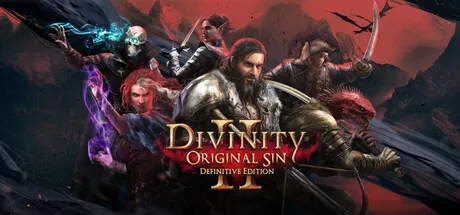
All DOS2 races explained: Human, Elf, Dwarf, Lizard and Undead — racial passives, racial skills, dialogue tags, the best race per build and the Elf deep-dive.
Divinity Original Sin 2 Races — Every Race and Racial Skill Explained
Divinity Original Sin 2 offers five playable races — Human, Elf, Dwarf, Lizard — plus Undead versions of each, and the race you pick matters far more than in most RPGs. Every race comes with passive racial talents, an active racial skill, a race tag that opens unique dialogue options, and different NPC reactions across all four acts. The short version: Elves are the community's most-praised race for mages and damage builds thanks to Flesh Sacrifice, Humans are the crit-friendly all-rounder, Dwarves are the tankiest, Lizards pair best with fire magic, and Undead flip the game's healing rules on their head. This guide breaks down every racial option with the exact numbers, the best race per build, and a deep dive on the Elf (the most-searched race) including the Corpse Eater memory system.
Official resources: dos2.wiki — Races · dos2.wiki — Gods · Fextralife — Races · Fextralife — Elf · Steam store page
The Five Races at a Glance
| Race | Racial passives | Racial active skill | Best suited to |
|---|---|---|---|
| Human | Ingenious (+5% crit chance, +10% crit multiplier), Thrifty (+1 Bartering) | Encourage (buff allies), Dome of Protection | Crit builds, physical damage dealers |
| Elf | Corpse Eater (eat body parts), Ancestral Knowledge (+1 Loremaster) | Flesh Sacrifice (+1 AP, +10% damage) | Mages, necromancers, any AP-hungry build |
| Dwarf | Sturdy (+10% max Vitality, +5% dodging), Dwarven Guile (+1 Sneaking) | Petrifying Touch (stone CC), Dome of Protection | Tanks, melee frontliners |
| Lizard | Sophisticated (+10% fire, +10% poison resistance), Thrifty (+1 Persuasion) | Dragon's Blaze (fire cone), Dome of Protection | Fire mages, battlemages |
| Undead | Undead (poison heals, healing hurts) + their base race's passive | Play Dead, Dome of Protection | Summoners, any poison-friendly build |
Official source: dos2.wiki — Races — "Living on the world of Rivellon are multiple species of sentient creatures, known as races... The 'seven races', those created in the image of the Seven Gods (Eternals who seized control over Source) are considered to be the superior species of the world. Each race has a deity and a place on the Council of Seven."
Human — the Crit-Friendliest Race
Humans are the adaptable all-rounders: the dominant race of Rivellon, and the closest thing the game has to a default. Their passives reward damage builds:
- Ingenious: +5% critical chance and +10% extra crit multiplier. (The community wiki notes this was reworked from an older +2 Initiative / +5% crit version — the current numbers are +5%/+10%.)
- Thrifty: +1 Bartering, which stacks with the civil ability for better vendor prices on that character.
- Encourage: the active skill boosts Strength, Finesse, Constitution and Intelligence of allies around you — a genuinely useful party buff early on.
- Dome of Protection: a shared racial that all non-Undead races get (except Lizard in some versions), creating a field that restores armour and boosts resistances.
Humans are the recommended race for Knight and Conjurer presets per the wiki's build guidance, and they work with any physical damage build because crit scales with almost everything. Origin characters Ifan and Lohse are both humans.
Elf — the Community's Top Pick (and the Corpse Eater System)
The Elf is the race most players search for, and for good reason — it is the strongest race for damage builds in the current Definitive Edition balance:
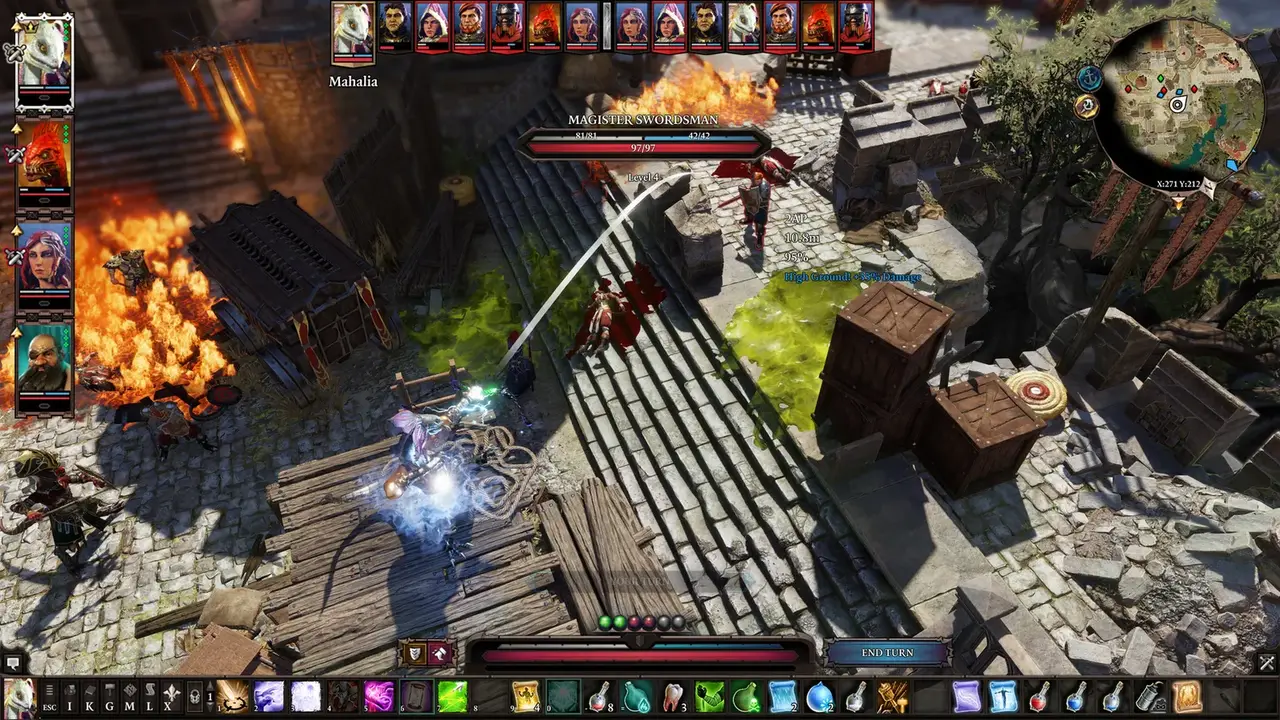
- Flesh Sacrifice: gain 1 Action Point immediately and +10% damage for 2 turns, at the cost of Constitution (the amount scales with your level) — and it creates a blood pool under your feet. The blood pool is the real trick: stand in it and Elemental Affinity discounts every Necromancer spell by 1 AP, Leech heals you, and your own blood surfaces can be electrified or frozen. It is the single most powerful racial active in the game for mages.
- Corpse Eater: elves can eat body parts to absorb the memories of the dead. This is both a story mechanic (unique dialogue and lore) and a mechanical one — several body parts grant permanent skills. The well-known ones: the Chunk of Flesh on the Merryweather grants Adrenaline; a Severed Head found near Fort Joy grants First Aid; a head on the beach north of the Hollow Marshes grants Spread Your Wings; Saheila's Arm grants Armour of Frost; and Garvan's Head in Driftwood grants +1 Bartering.
- Ancestral Knowledge: +1 Loremaster, useful for identifying gear.
Flesh Sacrifice's blood pool + Elemental Affinity (talent) makes every Necromancy spell cost 1 AP less while you stand in blood — your own sacrifice creates the surface. This is the engine behind the famous blood mage build; our build guide walks the full stat plan.
The Elf trial: the side quest A Trial for All Seasons near the Driftwood Fields waypoint in Act 2 is an elven trial with four seasonal totems around a brazier. The Spring totem requires blood — an elf's Flesh Sacrifice is the cleanest trigger — Summer needs fire, and the others follow suit; community guides recommend activating Spring first since it stays active longest. Having an elf (or undead elf) in the party makes the trial dramatically easier.
Elves pair best with Shadowblade, Rogue and any Intelligence build. Sebille is the elf origin — her story, god (Tir-Cendelius) and assassin preset are covered in the characters guide.
Dwarf — the Tank
Dwarves trade damage ceiling for durability, and they are the only race with a crowd-control racial:
- Sturdy: +10% max Vitality and +5% dodging — the game's strongest raw survivability passive.
- Dwarven Guile: +1 Sneaking, enabling better stealth openings.
- Petrifying Touch: turn a target to stone with earth damage — a hard CC that works on enemies with broken physical armour.
- Dome of Protection: shared racial.
Dwarves are the recommended race for Fighter and Cleric presets, and their size grants a few unique map interactions (dwarf-only crawl spaces, per the community wiki). Beast is the dwarf origin.
Lizard — Fire, Charm and Diplomacy
Lizards are the fire-and-politics race:
- Sophisticated: +10% fire resistance and +10% poison resistance — combined with the fire surfaces every Pyrokinetic fight generates, this makes lizards surprisingly durable frontline mages.
- Thrifty (lizard version): +1 Persuasion — note the lizard's Thrifty grants Persuasion rather than Bartering, which helps with dialogue checks.
- Dragon's Blaze: a cone of fire damage that also leaves a fire surface behind — setting up Elemental Affinity for yourself or your mages. It scales with your level and benefits from Pyrokinetic points.
- Dome of Protection: shared racial.
Lizards are recommended for Battlemage and Enchanter presets, and their fire breath pairs with the Pyro/Geo magic school. The Red Prince is the lizard origin; his fire breath (and the "Lizard Consulate" fight in Arx) are covered in the characters guide.
Undead — Healing Is Reversed
Undead is not a fifth race so much as a modifier: you pick a base race (Human, Elf, Dwarf or Lizard) and choose the Undead version, keeping that race's passive and gaining the undead package. Fane is the only undead origin character.
- Undead passive: poison heals you, and regular healing damages you. Healing spells, potions and even food hurt you; standing in poison or a poison surface heals you. This inverts the entire economy of survival — you want Geomancer poison spells and poison flasks, not Restoration.
- Play Dead: the active skill fools enemies into ignoring you; cooldowns pause while "dead," and any action cancels the effect. It is a superb escape, scout and summoner tool (summon, then play dead).
- No breathing: undead walk through deathfog areas safely — a niche but real advantage in Act 1 and Act 4.
- The mask problem: undead must wear a mask (or the Face-Ripper masks) in towns, and cannot wear normal helmets. An undead elf keeps Corpse Eater; an undead human keeps Ingenious; an undead dwarf keeps Sturdy; an undead lizard keeps Sophisticated.
Undead cannot use standard healing consumables — food counts as regular healing and hurts you. Keep a supply of poison flasks and Geomancer skills for self-healing, and be careful in fights with Blessed surfaces. Also note that Fane, as an Eternal, cannot get drunk — a fun lore detail with one mechanical edge case.
The best undead builds lean into the poison economy: undead rangers using poison arrows, undead summoners (Play Dead + Incarnate), or undead mages standing in poison for Elemental Affinity. The classes guide shows which starting presets support those builds.
Which Race Is Best Per Build?
Community consensus, current Definitive Edition balance:
- Mages and necromancers: Elf (Flesh Sacrifice + Elemental Affinity) — not close.
- Physical damage dealers: Human (crit multiplier) or Elf (AP economy).
- Tanks and frontliners: Dwarf (Sturdy) — the only race built for it.
- Fire builds / battlemages: Lizard (resistance + fire breath synergy).
- Summoners and explorers: Undead (Play Dead + poison healing) — flexible, if gear-fiddly.
- Roleplay-first: pick the race whose dialogue tag you want; every race has exclusive dialogue throughout the game, and race-specific reactions from NPCs are a large part of the game's reactivity.
Whatever race you pick, remember that race is one of the only two choices you cannot undo — origin and race are permanent, while everything else is freely respecable from Act 2. If you want to swap builds without restarting, that's fine; if you want a different race, it's a new run.
Frequently Asked Questions
What races can you play in Divinity Original Sin 2?
Human, Elf, Dwarf and Lizard, plus Undead versions of each (undead human/elf/dwarf/lizard). That is effectively 8 character race options, with Fane being the only undead origin character.
Is Elf the best race in DOS2?
For damage builds, yes. Flesh Sacrifice's +1 AP, +10% damage and blood pool make it the strongest racial active in the game, especially combined with the Elemental Affinity talent for Necromancer builds. For tanks and crit builds, Dwarf and Human are better fits.
What are the racial skills in DOS2?
Each race has passives plus an active: Human (Encourage, Ingenious/Thrifty), Elf (Flesh Sacrifice, Corpse Eater, Ancestral Knowledge), Dwarf (Petrifying Touch, Sturdy, Dwarven Guile), Lizard (Dragon's Blaze, Sophisticated), Undead (Play Dead, Undead passive) — most races also share Dome of Protection.
Can any race be Undead in DOS2?
Yes. When creating a character, you can choose an Undead variant of Human, Elf, Dwarf or Lizard. Undead keep their base race's passive, gain the poison-heals/healing-hurts rule and Play Dead, and must wear a mask in towns.
Which race is best for a mage build?
Elf, decisively. Flesh Sacrifice's blood pool plus Elemental Affinity discounts mage spells by 1 AP, and +10% damage for 2 turns is a huge nuke window. Lizard is the runner-up for fire mages thanks to Sophisticated's resistances and Dragon's Blaze.
Related Guides
- Divinity Original Sin 2 Characters — All Six Origin Heroes Explained
- DOS 2 Classes — All 14 Class Presets Explained
- Divinity Original Sin 2 Build Guide — Best Builds & Stats
- Divinity Original Sin 2 Review — Verdict and Scores
- Divinity Original Sin 2 Max Level — The Level 22 Cap and XP Curve
- DOS 2 Runes — Socketing, Upgrading and the Best Rune Combos
Last updated: August 13, 2026.
More Divinity: Original Sin 2 Guides
What kind of RPG is Divinity Original Sin 2? Genre, turn-based tactical gameplay, the classless custom ruleset (not D&D) and how it compares to Baldur's Gate 3.
DOS2 on Steam Deck: Verified status, real performance, the best settings (40 FPS ~2h45m battery, 30 FPS ~3h30m), launcher fixes and mod support.
DOS2 on Switch: release date, Steam cross-saves, online co-op with no split-screen, performance, the free Switch 2 upgrade and whether it is worth buying.
The 2026 verdict on Divinity Original Sin 2: Metacritic and Steam scores, what critics and players say, who should buy it, and whether it still holds up.
DOS2 on Xbox: the 2018 Xbox One release, the free December 2025 Series X|S upgrade with 60 FPS, Smart Delivery, split-screen co-op and online issues.
How long to beat Divinity Original Sin 2: main story, side content and completionist hours, per-act breakdown, co-op factors and 100% achievement time.
Every Divinity Original Sin 2 origin character explained: Ifan, Lohse, Sebille, Red Prince, Beast, Fane — stories, gods, classes, voice actors and who to play.
Divinity Original Sin 2 on PS4 and Xbox One: the 2018 Definitive Edition, performance, split-screen and online co-op, and the free next-gen upgrade path.