
Hell Let Loose Vietnam mortar guide: Mortar Gunner, Observer and Support roles, how to build and aim tubes, observer call-ins and the best mortar targets.
Hell Let Loose Vietnam Mortar Guide - How to Use Mortars (Gunner, Observer & Support)
Hell Let Loose: Vietnam introduces a dedicated Mortar unit — the only squad type designed entirely around indirect fire support. A three-person crew of Gunner, Observer, and Support can shell contested capture points, disrupt NVA tunnel assaults, and destroy machine-gun nests without direct line of sight.
This launch guide covers role responsibilities, tube construction and aiming mechanics, Observer grid calls, target prioritization, and tactical displacement.
Here's what you'll learn:
- How the three Mortar unit roles split responsibilities
- How the Gunner deploys, levels, and aims the mortar
- How the Observer reads grid maps and calls fall-of-shot corrections
- Why the Support role maintains supply and ammunition logistics
- Priority targets for mortar fire and counter-mortar survival
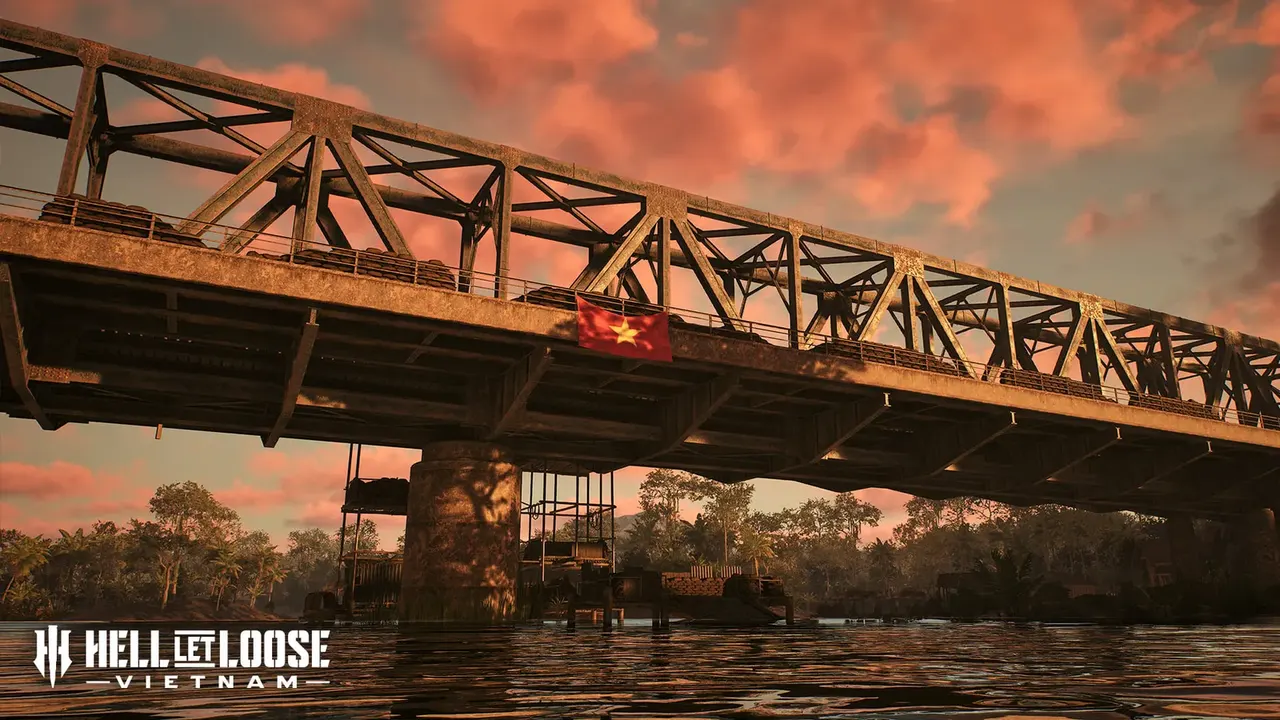
Official resources: Steam store page · Official site · Official blog · IGN game page
What Is the Mortar Unit in Hell Let Loose: Vietnam?
Per the official Steam store listing, teams field squads across six unit types: Command, Infantry, Recon, Armour, Helicopter, and Mortar. The Mortar unit provides infantry-level indirect artillery that can be placed anywhere accessible to foot soldiers.
A mortar squad operates via three roles:
- Mortar Gunner — deploys the tube, calculates elevation, and fires rounds.
- Mortar Observer — provides target grid coordinates, marks map objectives, and calls fire corrections.
- Mortar Support — hauls ammunition and supply crates, feeds the tube, and guards the position.
Unlike WWII Hell Let Loose fixed HQ artillery, Vietnam mortars are portable field pieces. You choose deployment spots, construct the tube, and displace when targeted.
Effective mortar crews focus on breaking capture point defenses before friendly infantry pushes. Neutralizing a Hard Cap before an attack converts stalled pushes into captures. See our tips guide for broader squad strategies.
Mortar Roles: Gunner, Observer and Support
Mortar Gunner
The Gunner is the sole role capable of placing the mortar, carrying Hammer and Wrench construction tools. On the firing line, the Gunner performs three steps:
- Deployment — Select covered terrain and build the tube using construction tools.
- Aiming — Adjust tube elevation and bearing. The in-game mortar calculator translates target distance to tube elevation: higher angles decrease range, while lower angles extend reach.
- Firing — Load shells into the muzzle as the Support keeps supplies flowing.
Never load a shell prior to adjusting aim. Adjusting a loaded tube risks firing into friendly positions. Always re-verify bearing and range on the mortar calculator whenever the Observer calls corrections.
Mortar Observer
Equipped with binoculars and radio equipment, the Observer acts as the gunner's forward spotter:
- Reads the Tactical Map to report target grid coordinates, distance, and compass direction.
- Marks targets on squad and team maps.
- Observes impact locations and calls adjustments (e.g. "Left 50, drop 25").
- Coordinates with Squad Leaders before shelling close to friendly infantry.
With corrections, experienced Observers drop shells within a 25-meter radius of designated coordinates.
Mortar Support
The Support role supplies the Ammo and Supply Boxes required for continuous firing. Without ammo resupply, a Gunner exhausts ammunition quickly during critical artillery missions. Support players also watch flank routes and assist in defending the mortar site against enemy infiltrators.
How to Set Up and Aim the Mortar
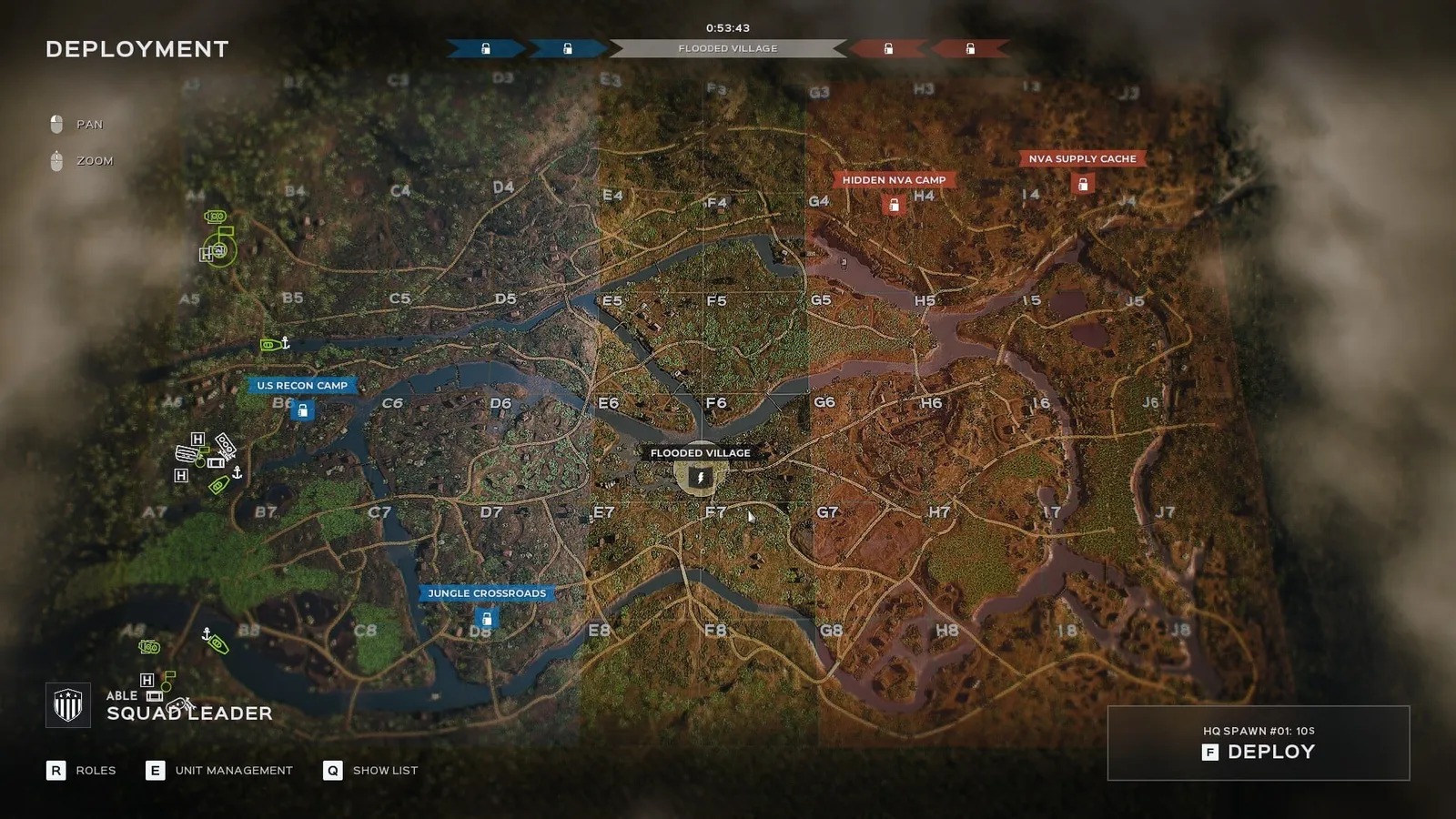
Step 1 — Select position. Position in covered terrain with clear overhead arc. Fringes near Quảng Ngãi, tree lines by the Nam Ma River on Thanh Hóa Bridge, and high ground on Huế Outskirts serve as strong locations — review our all maps guide for map layouts.
Step 2 — Build tube. The Gunner deploys the mortar using build tools. Complete deployment before opening fire to avoid detection.
Step 3 — Input calculation. The Observer transmits grid coordinates, estimated distance, and bearing. The Gunner feeds range numbers into the mortar calculator to obtain elevation values.
Step 4 — Execute and displace. Fire designated volleys, apply Observer corrections, and displace after sustained firing to evade counter-mortar fire.
Continuous firing reveals your position to enemy recon squads. NVA observers locate active mortar tubes rapidly via sound and smoke trails. Prepare a fallback position prior to initiating fire missions. For anti-recon tactics, consult our sniper guide.
Best Mortar Targets in Hell Let Loose: Vietnam
| Priority | Target | Tactical Purpose |
|---|---|---|
| 1 | NVA tunnel entrances | Destroys primary NVA spawn infrastructure (limits 12-15 active spawns). |
| 2 | Garrisons and Outposts | Denies enemy spawn points across active capture sectors. |
| 3 | Fixed machine-gun nests | Eliminates M60/RPD firing lanes holding friendly infantry. |
| 4 | Enemy mortar positions | Neutralizes counter-battery threats based on Observer grid calls. |
| 5 | Capture points before pushes | Softens Hard Cap defenses prior to friendly infantry pushes. |
Avoid targeting isolated infantry or firing within 100 meters of friendly units due to splash radius.
Hell Let Loose features realistic friendly damage. Before firing near contested points, confirm friendly positions with your squad leader via Leadership voice chat.
Frequently Asked Questions
How do mortars work in Hell Let Loose: Vietnam?
A three-player Mortar unit deploys a field mortar for indirect fire. The Observer reads target grid coordinates, the Gunner inputs distance into the in-game mortar calculator to set elevation, and the Support supplies ammunition crates.
What are the mortar roles in Hell Let Loose: Vietnam?
Three roles: Mortar Gunner (builds/fires tube, carries Hammer and Wrench), Mortar Observer (binoculars, radio, map coordinates, fire correction), and Mortar Support (carries Supplies and Ammo Boxes).
How do I aim the mortar in Hell Let Loose: Vietnam?
Use the mortar calculator: match tube elevation to the range reported by the Observer, adjust bearing to target direction, and fire while the Observer provides directional corrections.
What should the Mortar Observer do in Hell Let Loose: Vietnam?
Read Tactical Map grids, transmit distance/direction to the Gunner, place map markers, observe impact points, and call left/right/range corrections.
What are the best mortar targets in Hell Let Loose: Vietnam?
NVA tunnels, enemy garrisons/outposts, machine-gun nests, enemy mortars, and capture points prior to friendly infantry pushes.
Related Guides
- Hell Let Loose: Vietnam Squad Leader Guide
- Hell Let Loose: Vietnam Tank Guide — Crew Roles & Targets
- Hell Let Loose: Vietnam Sniper Guide — Recon Duo
- Hell Let Loose: Vietnam All Maps Guide
- Hell Let Loose: Vietnam Weapons Guide
- Hell Let Loose: Vietnam Push to Talk Guide
Last updated: August 20, 2026.
More Hell Let Loose: Vietnam Guides
Hell Let Loose: Vietnam helicopter pilot guide: Huey crew roles, flight controls, takeoff, flares, LZ discipline, supply drops and NVA counterplay.
Hell Let Loose: Vietnam how to play: win conditions, capture mechanics (soft cap vs hard cap), all four modes, spawn types and movement basics.
Complete Hell Let Loose: Vietnam keybindings: default keys for infantry, vehicles, pilot and voice chat, plus recommended rebinds.
Hell Let Loose: Vietnam medic guide: revive and bandage mechanics, loadouts, safe revive sequence, manpower value and XP from healing.
Hell Let Loose Vietnam push to talk guide: proximity, unit and leadership channels, default keys on PC and console, toggle vs hold, and mic fixes.
Hell Let Loose Vietnam sniper guide: the Sniper and Spotter recon duo, M40 vs Type 53 PU rifles, overwatch positions and hunting spawn structures.
Hell Let Loose: Vietnam squad leader guide: outposts and garrisons, markers, command chat, US helicopter field pads and NVA tunnel tactics.
Hell Let Loose Vietnam system requirements: official minimum and recommended PC specs, storage size, DirectX 12, Steam Deck support and console performance.