Complete Baldur's Gate 3 guide: D&D 5e rules explained, character creation, the 12 classes, party building, combat basics, Act 1 roadmap and common mistakes.
Baldur's Gate 3 Guide: How to Play, Build a Party, and Survive the First Act
Baldur's Gate 3 is a story-rich, party-based RPG by Larian Studios built on the Dungeons & Dragons 5th Edition ruleset. Released on August 3, 2023 after three years of Early Access, it won Game of the Year at every major awards ceremony, sold over 20 million copies, and became the highest-scoring game of its year with a 96 Metacritic average on PC and PS5. It is also, for a lot of new players, genuinely intimidating: dice rolls, spell slots, ability checks, 46 subclasses, ten companions and a first act that can eat forty hours without blinking.
This guide is the full onboarding. It covers how the D&D 5e rules actually work in the game, how to build a character you won't regret, which classes do what, how to assemble a party that survives, the combat habits that win fights, a concrete roadmap for the first act, every difficulty mode, and the system requirements you need before you even hit play.

Official resources: Steam store page · bg3.wiki — Classes · bg3.wiki — Difficulty · Larian's official patch news · IGN wiki
What Is Baldur's Gate 3?
Baldur's Gate 3 is a single-player and co-op CRPG set in the Forgotten Realms, the flagship campaign world of Dungeons & Dragons. You create a character (or pick one of seven pre-written "Origin" characters), get infected with a mind flayer tadpole during a nautiloid ship crash, and spend the game trying to get it out of your head while a cult called the Absolute rampages across the Sword Coast.
The headline numbers, so you know what you're dealing with:
- 11 races and 31 subraces, from human and elf to dragonborn, githyanki and duergar
- 12 classes and 46 subclasses (58 subclasses after the free Patch 8 update)
- Level cap of 12 — deliberately low, because Larian says high-level D&D spells are too overpowered to implement properly
- A party of four out of 10 recruitable companions, each with their own quest, romance arc and personality
- Three acts, roughly 100+ hours for a thorough playthrough
- Turn-based combat with full D&D 5e rules: dice, spell slots, advantage, concentration, the lot
The game is fully voice-acted (over 1.3 million lines of dialogue and roughly 140 hours of cutscenes by Larian's own count), and nearly everything in the world reacts to your choices — kill an important NPC and the story genuinely changes, sell a quest item and the quest breaks in a way the world acknowledges.
If you've played Larian's Divinity: Original Sin 2, the DNA is obvious: the same barrel-obsessed physics sandbox, the same "every encounter is a puzzle" design, the same willingness to let you break the game sideways. If you've played the classic Baldur's Gate games, it's a much bigger departure — see our Baldur's Gate trilogy guide for how the old games connect to this one.
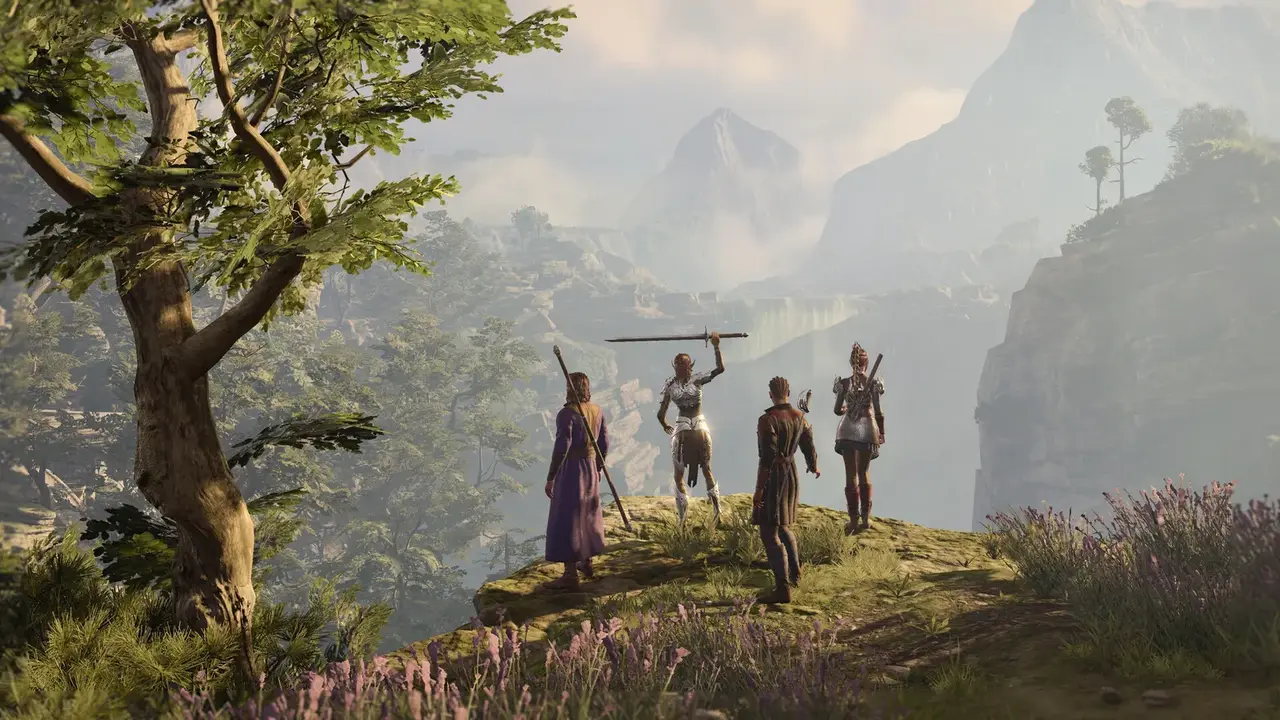
Per the official Steam store page, Baldur's Gate 3 is "a story-rich, party-based RPG set in the universe of Dungeons & Dragons, where your choices shape a tale of fellowship and betrayal, survival and sacrifice, and the lure of absolute power."
The D&D 5e Rules Crash Course
You do not need to know tabletop D&D to play BG3 — the game automates the dice, the character sheets and the Dungeon Master. But understanding a handful of core concepts will save you hours of confusion, because the game feels like D&D and punishes players who try to play it like an action game.
The d20 and ability checks. Almost every uncertain outcome in the game is decided by rolling a 20-sided die (the d20), adding a modifier, and comparing the result to a target number. That includes attacks, persuasion checks, lockpicking, perception — everything. Your character's ability scores determine the modifiers:
| Ability | What it does | Your main stat for |
|---|---|---|
| Strength | Melee damage, carry weight, athletics | Fighters, barbarians, paladins |
| Dexterity | Ranged accuracy, initiative, armor class, stealth | Rogues, rangers, monks |
| Constitution | Hit points, concentration saves | Everyone (never dump it) |
| Intelligence | Wizard spellcasting, arcana | Wizards, eldritch knights |
| Wisdom | Perception, insight, cleric/druid spellcasting | Clerics, druids, rangers |
| Charisma | Persuasion, deception, intimidation, spellcasting | Bards, sorcerers, warlocks, paladins |
An ability score of 10 gives a +0 modifier; every 2 points above or below 10 shifts the modifier by 1 (so 12 = +1, 14 = +2, 16 = +3, and so on). When you see a skill check in dialogue, the number shown is your d20 roll plus that modifier.
Proficiency. Certain skills and tools your character is "proficient" in add a flat proficiency bonus (+2 at level 1, scaling up with level). This is why a rogue is better at picking locks than a barbarian even with similar Dexterity — proficiency is a big swing.
Advantage and disadvantage. Instead of stacking pluses, D&D uses advantage: roll two d20s and take the better (advantage) or worse (disadvantage). BG3 shows both dice on screen. Getting the high ground, sneaking, and having allies near enemies can grant advantage; being blinded, prone or stuck in a web gives disadvantage. Never fight at disadvantage if you can avoid it.
The action economy. Each character gets, per turn:
- One Action — attack, cast a spell, dash, hide, use an item
- One Bonus Action — off-hand attacks, some spells, jumping, potions
- One Reaction — attacks of opportunity, counterspell, some triggered abilities
- Movement — up to your speed (roughly 9m for most races)
The single biggest combat skill in BG3 is learning to use all of these every turn. A fighter who only attacks and moves is using half their kit; a character who attacks, bonus-action jumps to high ground and reaction-counterspells the enemy healer is playing the game.
Spell slots and concentration. Spellcasters don't have mana; they have spell slots per level (e.g. three level-1 slots at character level 2). Casting Fireball consumes a level-3 slot. Many powerful spells require concentration — you can only concentrate on one spell at a time, and taking damage forces a Constitution save to hold it. Drop concentration and the spell ends. This is why Constitution matters on every caster, and why you should never stack two concentration spells expecting both to work.
Resting. Short rests (two per long rest) restore some hit points and class features; long rests restore everything, including spell slots, but consume camp supplies (40 on Balanced difficulty, 80 on Tactician/Honour). Resting also advances companion stories and romance scenes — the game literally moves the plot forward at camp, so don't hoard long rests.
Before any combat, ask: can I get advantage? High ground, sneak attack, or a Hold Person on the biggest threat beats raw damage every time. The game's most famous boss fights are all puzzles with an obvious "cheese" the community found within a week.
Character Creation, Step by Step
Character creation in BG3 takes most new players 30 minutes to two hours, and that's fine — you can change almost everything later except your race and background. Here's what each step actually means:
1. Origin or custom? You can create a custom character ("Tav") or play one of seven Origins: the six preset companions (Astarion the vampire rogue, Gale the wizard, Lae'zel the githyanki fighter, Shadowheart the cleric, Wyll the warlock, Karlach the barbarian) plus the Dark Urge, a fully customizable character with a dark, pre-written backstory. About 93% of players make a custom character, and it's the right call for a first run — you get all the companions and full character freedom. Save Origins and the Dark Urge for playthrough two and three.
2. Race and subrace. 11 races, 31 subraces. Race gives you speed, darkvision (huge in this game — half the map is dark), and racial traits. Beginners: the +2 movement speed of wood elves and the Lucky trait of halflings are quietly the strongest generic picks, but every race is viable.
3. Class. This is the one that defines your whole game. Pick by fantasy first, and use the table below for the mechanics. You can respec later, so this is not a life sentence.
4. Background. Choose two skill proficiencies (Soldier, Urchin, Sage, Charlatan and the rest). Your background also drives Inspiration — completing actions your background cares about (e.g. a Charlatan lying successfully) grants Inspiration points that let you reroll failed checks. Pick a background that matches how you'll actually play.
5. Ability scores. You have 27 points for a point-buy system: scores run 8–15 before racial bonuses (17 max with the +2). Rule of thumb: your class's main ability at 16–17, Constitution at 14+, everything else as needed. A wizard with 10 Intelligence is a wizard who misses.
6. The rest. Skills, spells, cantrips, appearance (the game's character creator is absurdly deep — 8 different genitals, 50+ faces, scars, heterochromia), and your dice skin. Don't agonize; Withers fixes everything except race and background.
Fighter is the classic beginner build: simple, durable, strong at every stage of the game, and it doesn't need multiclassing. Put your highest ability score in Strength or Dexterity (aim for 16–17 after racial bonuses), keep Constitution at 14+, and take an ability improvement or half-feat at level 4. Alternatively, Bard is the community's consensus best all-rounder — full casting, good skills, strong dialogue, and College of Swords turns it into a melee powerhouse. Both are safe first picks.
The 12 Classes and What Each Does
Here's the full class list with the practical summary — what it's good at, which stat matters, and how beginner-friendly it is:
| Class | Role | Main ability | Beginner friendly? | Notes |
|---|---|---|---|---|
| Fighter | Tank / damage | Strength or Dexterity | ★★★★★ | Simple, strong, no multiclass needed; Action Surge is the best button in the game |
| Barbarian | Tank / damage | Strength | ★★★★☆ | Rage + reckless attack; near-unkillable, low complexity |
| Paladin | Tank / burst | Strength + Charisma | ★★★★☆ | Smites are devastating; oath mechanics punish murderhobos |
| Cleric | Healer / support / damage | Wisdom | ★★★★☆ | Full caster, great armor; Shadowheart starts as one |
| Wizard | Area damage / control | Intelligence | ★★★☆☆ | Most versatile spellbook; fragile; must manage spell slots |
| Sorcerer | Burst damage | Charisma | ★★★☆☆ | Metamagic lets you twin and quicken spells; the best blaster |
| Warlock | Ranged damage | Charisma | ★★★★☆ | Eldritch Blast spam; spells recharge on short rest; very forgiving |
| Bard | Face / support / control | Charisma | ★★★★★ | Best dialogue class, great utility, strong at everything |
| Rogue | Single-target / stealth | Dexterity | ★★★★☆ | Sneak attack + lockpicking; a bit fragile, positioning matters |
| Ranger | Ranged / survival | Dexterity | ★★★☆☆ | Good damage, spells, pets; slightly directionless early |
| Monk | Melee / mobility | Dexterity + Wisdom | ★★☆☆☆ | Flurry of Blows is strong but stat-hungry; weaker in Act 1 |
| Druid | Flexible caster / shapeshifter | Wisdom | ★★★☆☆ | Wild Shape is great for utility; itemization is awkward in Act 1 |
The one thing to know: subclass choice (at level 1–3 depending on class) matters more than the class name. Two bards are barely the same character if one is College of Swords and the other College of Lore. Read the subclass descriptions carefully at level-up, and don't be afraid to use our respec advice below to experiment.
Per the bg3.wiki classes page, the maximum character level in Baldur's Gate 3 is level 12, and "using Withers' services, the player can change the class of a character, setting them back to level 1 and allowing them to change their ability scores, class(es) and subclass(es)."
Party Building: The 10 Companions and Team Roles
You can have four characters in your active party, and ten companions to choose from. The golden rule: one tank, one damage, one healer/support, one face — or at least, cover the four jobs of tanking, single-target damage, area damage/control, and dialogue.
The full companion roster (recruitment act in parentheses):
| Companion | Race | Class | Best used as |
|---|---|---|---|
| Shadowheart (Act 1) | Half-elf | Cleric (Trickery) | Healer, support; respec to Light or War domain is popular |
| Astarion (Act 1) | High elf | Rogue | Lockpicking, stealth, sneak-attack damage |
| Gale (Act 1) | Human | Wizard | Area damage, control, arcana checks |
| Lae'zel (Act 1) | Githyanki | Fighter | Front-line tank, highest single-target damage |
| Wyll (Act 1) | Human | Warlock | Ranged damage, dialogue (high Charisma) |
| Karlach (Act 1) | Tiefling | Barbarian | Front-line tank/damage; community favorite |
| Halsin (Act 2) | Wood elf | Druid | Flexible support; mutually exclusive with Minthara |
| Minthara (Act 2) | Drow | Paladin | Tank/burst; requires siding against the Emerald Grove |
| Jaheira (Act 2) | Half-elf | Druid (Fighter cross) | Flexible; returns from BG1/BG2 |
| Minsc (Act 3) | Human | Ranger | Damage, comic relief; returning from BG1/BG2 |
Practical advice for a first run:
- Grab all six Act 1 companions — they're all near the crash site, and leaving one behind means missing their quest content.
- Companions you leave at camp still earn experience, so swap freely without worrying about underleveling.
- Make your main character the "face" — pump Charisma and put proficiency in Persuasion/Deception, because the dialogue-heavy game rewards talking your way out of fights. Alternatively make Wyll or a Bard companion the face and keep your damage dealer as main character.
- Respec is cheap and unlimited. Find Withers in the Dank Crypt under the Overgrown Ruins (north of the crash beach, early Act 1). He moves into your camp and will respec any character for 100 gold, resurrect the dead for 200 gold, and create hirelings for 100 gold. You can change class, subclass, abilities, spells — everything except race and background. This is the game's mercy mechanic, and you should use it the moment your build feels wrong.
Every companion's starting stats are slightly suboptimal (the game spreads their points for character flavor). The first thing many players do after recruiting Withers is respec each companion to put their points in the right places — Shadowheart into more Wisdom, Lae'zel into more Strength/Constitution. It's 600 gold well spent.
Combat Basics That Win Fights
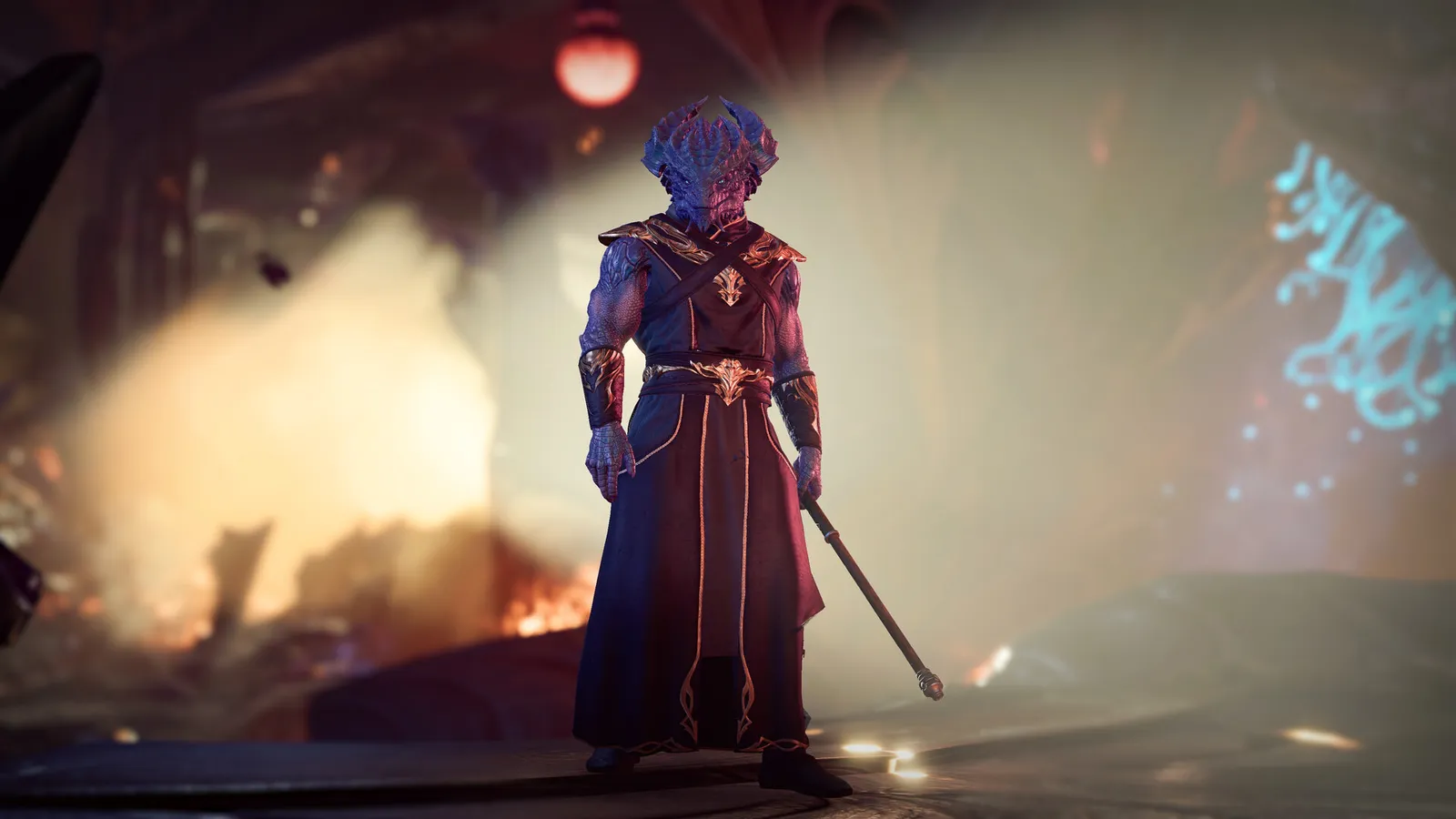
BG3 combat looks complicated because it is complicated — but a dozen habits cover 90% of fights:
1. Position before you fight. Unstealthed enemies get a free opening turn. Split your party, put the rogue in the shadows, place the wizard on a roof, then attack from stealth to open with a free round. The "ambush instead of walk-in" mindset wins more fights than any build.
2. High ground is king. Attacking from above gives advantage (two dice, take the better); attacking from below gives disadvantage. Elevation also extends your spell range. The game's UI shows the height difference — respect it.
3. Focus fire. The worst habit new players have is spreading damage across four enemies. Four enemies at 50% HP still act at full strength; two dead enemies don't act at all. Kill one target, then move to the next.
4. Don't fight through doors. Funneling enemies through a choke point lets your party demolish groups one at a time. Shove, Thunderwave and Cloud of Daggers all love doorways.
5. Use cantrips. Cantrips are free, unlimited spells (Fire Bolt, Eldritch Blast, Ray of Frost). If a caster has nothing better to do, they should be cantripping every turn rather than hoarding slots.
6. Status effects beat damage. Hold Person (paralyzed = auto-crits for melee), Sleep (low levels), Web, Grease — control spells win fights that damage spells would grind through. The tavern-keeper fight in Act 1 is a tutorial in this: hold the big enemy, focus the adds.
7. Short rest aggressively. Two short rests per long rest, and they restore a chunk of HP plus warlock spells and fighter abilities. The rule of thumb: short rest after every fight that cost you HP, long rest when you're out of short rests or need spell slots back.
8. Use the environment. Barrels explode (and there are far more explosive barrels than you think — the community found a nuclear-tier strategy involving a single well-placed barrel pile), chandeliers drop, cliffs shove, water conducts lightning, oil ignites. Larian built the physics system so you'd abuse it.
9. Know when to flee. You can disengage and run. If a fight is going sideways, retreating and coming back with better positioning (or a level-up) is not shameful.
The Intellect Devourers on the beach and the brains in the Nautiloid wreck can wipe a level-1–2 party that stumbles into three fights back-to-back. If you're struggling: level to 2 on the beach fights, save, and don't feel bad about using the difficulty slider — see the difficulty section below.
Exploration, Dialogue and Saves
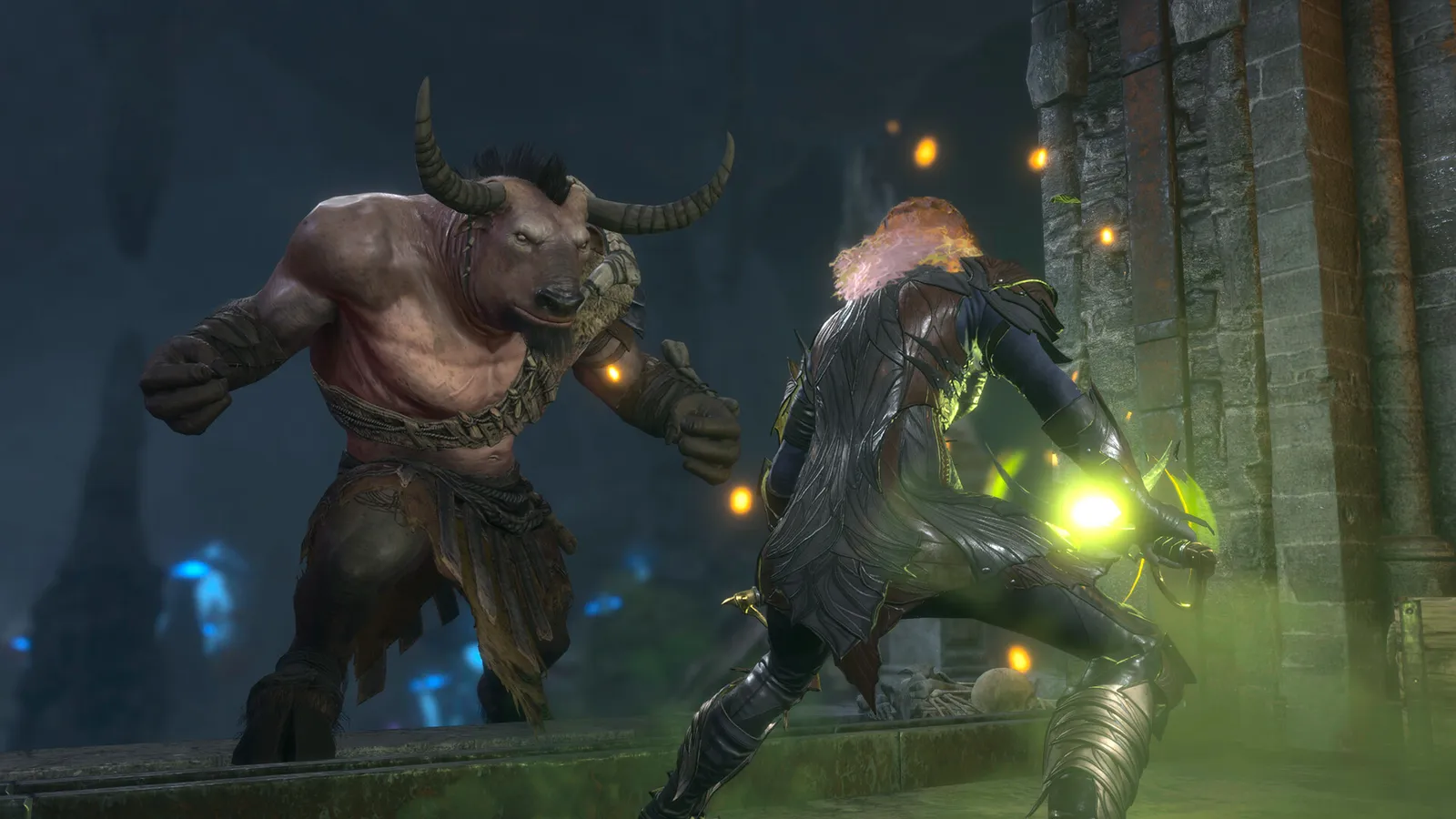
Save early, save often. This is the single most repeated piece of advice in every BG3 guide, and it's on the IGN beginner tips page for a reason: the autosave is infrequent, the game doesn't warn you before big story beats, and a failed conversation roll can lock you out of a quest or start a fight you didn't want. Quick-save (F5) before every major dialogue, every lockpick attempt, and every boss room. Yes, it feels like save-scumming — the game is designed for it, and tabletop purists can ignore this advice and enjoy their natural 1s.
Dialogue is turn-based too. In conversation you have options gated by skill checks (Persuasion, Deception, Intimidation, Insight). The percentages shown are your actual odds. The game tracks success and failure through your whole run, and some failures produce better outcomes than successes — a failed Persuasion roll on a bandit can start a fight you then win and loot, or it can make a merchant hostile forever. Reload if the outcome is bad; roll with it if it's interesting.
Exploration is the content. BG3 rewards poking into every corner: secret rooms, hidden quests, the Underdark, the Mountain Pass, a zillion tiny environmental stories. The community estimate is that a thorough Act 1 run is 40–60 hours. You'll miss things — that's fine, the game is designed for multiple runs.
Talking beats fighting. Most encounters have a non-violent path: persuade the goblins, deceive the guards, sneak past the trolls. The game gives you huge XP for quest completion regardless of method. Your party face (high Charisma) is not a luxury.
Act 1 Roadmap: Your First 20 Hours
Here's the concrete early path, in order, with the spoilers everyone needs:
- The Nautiloid (prologue). Fight through the ship, free Shadowheart from her pod, and grab the transponder. Optional but famous: the cambion Commander Zhalk drops the Everburn Blade, a 2d6+1d4 greatsword — if you can beat him (or let the mind flayer soften him and finish him off) you start the game with an Act-2-tier weapon. Don't wipe the party for it; it's a nice-to-have.
- The beach. Level to 2 on the intellect devourers, then recruit in this order: Shadowheart (nearby, or free her from the beach cave), Astarion (west, near the wreck), Gale (north at the Roadside Cliffs waypoint, in a portal), Lae'zel (north, trapped in a cage by tieflings — shoot the cage down).
- The Dank Crypt. Immediately find Withers (doors north of the beach, or the cliff entrance). This unlocks respec/resurrect/hirelings for the whole game. Do it before anything else.
- Emerald Grove. The druid grove is your quest hub: the tiefling refugees, the druid ritual, and your first big moral choice (side with the refugees or let the ritual complete). Recruit Wyll here (training kids in the yard) and meet Karlach's quest trail.
- The Blighted Village → Goblin Camp. This is the meat of Act 1's "path A": clear the village, then infiltrate the goblin camp, free the druid Halsin, and decide the fate of the goblin leaders (Priestess Gut, Minthara, Dror Ragzlin). Your choice here locks you out of content permanently — the grove raid vs. the goblin camp raid is mutually exclusive.
- Underdark or Mountain Pass? After the grove resolution you can descend to the Underdark (level 4–5 recommended) or cross the Mountain Pass (level 5+). Do one, then the other — both have unique content and loot, and you can return until you hit the point of no return near Moonrise.
- Before leaving Act 1: complete the companions' early quests (Astarion's bite reveal, Karlach's infernal iron repairs at Dammon, Gale's magic items), find the Owlbear cub and Scratch the dog for camp pets, and don't forget Auntie Ethel's swamp if you want the famous Hag's Hair permanent +1 ability.
The level targets are loose but useful: level 4–5 before the goblin camp fights, level 5–6 before the Underdark's big bosses, level 7+ before Act 2's Shadow-Cursed Lands.
Several quests are time-sensitive in a way the game only implies. If you enter the goblin camp's inner sanctum or take the Mountain Pass, some grove events resolve without you. When in doubt, do the grove storyline before venturing deep into the goblin camp — and always keep a save from before your big decisions.
Difficulty Modes Explained
BG3 has five difficulty settings, and you can change between Explorer, Balanced and Tactician at any time mid-campaign (Honour and Custom are locked at campaign start):
| Mode | Enemy HP | Key rules | Best for |
|---|---|---|---|
| Explorer | −30% | Party +100% HP, merchants −20% price, +2 proficiency, multiclassing disabled | Story-first players, first-timers scared of the rules |
| Balanced | baseline | The default; normal D&D rules, death saving throws, 40 camp supplies per long rest | Most players |
| Tactician | +20–30% (bosses more) | Enemies get +2 to attacks/DCs, new enemy abilities, 80 camp supplies per long rest | Veterans who want real challenge |
| Honour | like Tactician+ | Single save, permadeath on party wipe, Legendary Actions on bosses, 80 supplies | The challenge run; rewards a golden d20 skin |
| Custom | variable | Tweak every modifier to taste | Players who want a specific blend |
Honour Mode deserves its own warning: it's not just Tactician with a save limit. Bosses get new Legendary Actions, and a party wipe deletes the run (you can continue in Custom mode, but the Honour run is over). Larian's own stats show how brutal it is: after a year, only about 141,660 players had completed Honour Mode out of roughly 1.2 million attempts — just under 12%, and most of those were on a repeated, heavily-optimized path.
Per the bg3.wiki difficulty page, on Tactician "all enemies gain +2 to attack rolls and +2 DC to their spells and abilities," and on Honour mode "the player only gets a single save file for the entire campaign."
My recommendation: start on Balanced. Explorer's multiclass lock is a real loss once you understand the system, and Balanced is genuinely fair — the famous hard fights are hard because of positioning and knowledge, not unfair stat walls. If it's too much, drop to Explorer mid-run; the game doesn't judge.
System Requirements and Performance
If you're on PC, here's what Larian officially lists (verified against the Steam store and multiple hardware sites):
| Minimum | Recommended | |
|---|---|---|
| OS | Windows 10 64-bit | Windows 10 64-bit |
| CPU | Intel i5-4690 / AMD FX-8350 | Intel i7-8700K / AMD Ryzen 5 3600 |
| RAM | 8 GB | 16 GB |
| GPU | Nvidia GTX 970 / AMD RX 480 (4 GB+ VRAM) | Nvidia RTX 2060 Super / AMD RX 5700 XT (8 GB+ VRAM) |
| Storage | 150 GB SSD | 150 GB SSD |
| API | DirectX 11 (Vulkan also supported) | DirectX 11 |
The good news: the minimum bar is low — a GTX 970 from 2014 technically runs it, which is why the game became a phenomenon on modest PCs. The honest truth: the minimum is a 30fps-at-1080p-low experience, Act 3's city chugs on everything, and the SSD requirement is real — don't install it on a spinning disk. FSR and DLSS upscaling are both supported and worth turning on in Act 2–3. The game is also on PS5, Xbox Series X|S and Mac (Apple silicon).
Where BG3 Stands in 2026: Patches, Mods and Crossplay
Larian finished supporting the game with content patches, and the final state is excellent. Two updates matter:
- Patch 7 (September 5, 2024 on PC, October on consoles): added an in-game mod manager, new cinematics for the "evil endings," and big split-screen improvements.
- Patch 8 (April 15, 2025): the final major patch. Added full crossplay across PC, PS5, Xbox and Mac, a Photo Mode, and 12 new subclasses (one per class) — pushing the subclass count to 58. It also upgraded the official modding toolkit with partial level editing.
Per Larian's official Patch 8 announcement, Patch 8 "rounds off with cross-play, Photo Mode, and 12 new subclasses," and it is the final major game patch — outside of minor bug fixes, "Patch 8 will be the last game patch to introduce new content."
The mod scene is enormous — more than 100 million mod downloads by the time Patch 8 shipped, with the official mod manager (and console mod support) making installation trivial. Larian itself has moved on to new projects (and has said it will not make Baldur's Gate 4), but the game's community is still active, and the "definitive edition"-style polish means there's no reason to wait for anything — BG3 in 2026 is the finished, final version, at its best price ever on sale.
If you're new to the franchise and wondering whether the older games matter: they're great, they're cheap, and they're entirely optional — the Baldur's Gate trilogy guide breaks down the history, the play order and what to buy.
Frequently Asked Questions
Do I need to know Dungeons & Dragons to play Baldur's Gate 3?
No. The game handles all the dice, character sheets and rules math for you. Reading the crash course in this guide (d20, ability scores, action economy, spell slots, concentration) covers 90% of what you'll encounter, and the game's tutorials teach the rest in-context.
What is the best class for a beginner in Baldur's Gate 3?
Fighter is the classic answer — simple, tanky, strong at every level, and it doesn't need multiclassing. Bard is the community's other consensus pick: it's the best dialogue class and can be built for melee (College of Swords), casting or support. Both let you learn the game without fighting your own build.
Can I change my class or respec in Baldur's Gate 3?
Yes. Find Withers in the Dank Crypt under the Overgrown Ruins (early Act 1) and he moves to your camp, where he'll respec any character for 100 gold — class, subclass, abilities, spells, everything except race and background. It's unlimited and the price never increases.
How long does Baldur's Gate 3 take to beat?
A focused main-story run is roughly 60–80 hours; a thorough playthrough with side content runs 100–150 hours, and Act 1 alone is commonly 40–60 hours. Larian doesn't publish official figures, but community reports are consistent.
Is Baldur's Gate 3 crossplay?
Yes, since Patch 8 (April 2025): full crossplay and cross-save across PC, Mac, PlayStation 5 and Xbox Series X|S via the Larian Network. All players in a lobby need the same mods installed.
Related Guides
- Kenshi Beginner's Guide — another party-based open-world RPG
- RimWorld Beginner's Guide — emergent storytelling in a different genre
- Baldur's Gate 4: Future Status, WotC Plans & Timeline
- Baldur's Gate 3 Review: The 2026 Verdict on a Masterpiece
- Baldur's Gate 3 Logo: Official Files, Vectors and History
Last updated: August 13, 2026.
More Baldur's Gate 3 Guides
The Baldur's Gate 3 Discord guide: the official Larian Studios server, how to join, what's inside (LFG, modding, help channels), and the best community servers.
Baldur's Gate 3 on Xbox: release date, Series X vs Series S performance, split-screen, crossplay, Game Pass status, and which console to pick.
Varsh Ko'kuu in Baldur's Gate 3: who he is, where to find him in Crèche Y'llek, his dialogue checks and every outcome of the Steal a Githyanki Egg quest.