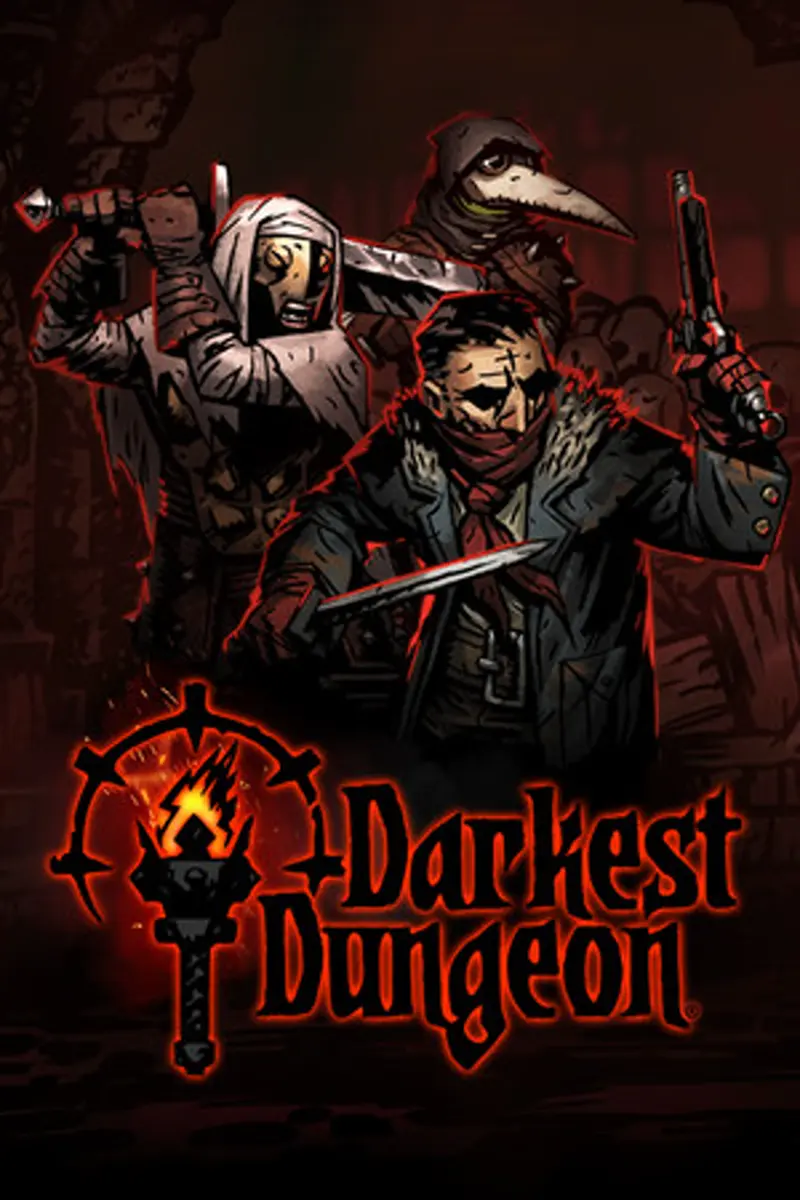
Darkest Dungeon Beginner's Guide — How the Game Works and How to Not Lose Your Whole Party
Darkest Dungeon for beginners: what kind of game it is, the core mechanics (stress, light, permadeath), how combat and progression work, the best early team, and the mistakes that end runs — plus what Miscreant and the Companion app are.
Darkest Dungeon Beginner's Guide — How the Game Works and How to Not Lose Your Whole Party
The short version: Darkest Dungeon is a brutally hard turn-based roguelite about managing a roster of flawed heroes against cosmic horror. The twist isn't just HP — it's stress: heroes accumulate stress, crack under pressure with quirks and afflictions, and permanently die when their health hits zero. You manage a hamlet between runs, upgrade heroes, and send them into dungeons you may never see them return from.
This guide covers the core systems and the beginner survival strategies.
What Kind of Game Is It?
- Genre: Turn-based combat roguelite + party management. Often described as the game that popularized "stress as a mechanic."
- Premise: Your ancestor's estate is corrupted by Lovecraftian horrors. Recruit heroes, delve into dungeons (Ruins, Weald, Warrens, Cove, Darkest Dungeon), and eventually defeat the game's bosses.
- Tone: Gothic, grim, narrated by a legendary voice actor (Wayne June). The game is famous for its atmosphere and narration.
- Permadeath: When a hero dies, they're gone for good — their gear, quirks, and progress vanish. You can recruit replacements, but each death is permanent.
Darkest Dungeon is a game about managing loss. Your heroes are expendable resources — the "campaign" is the hamlet's progression, not any single hero's survival. The game is designed to make you attached, then take it away. If that sounds miserable, it kind of is — and it's brilliant because of it.
Core Mechanics You Must Understand
Stress (the game's signature system)
- Every hero has stress in addition to HP. Taking hits, being in the dark, seeing allies die, and exploring stressful areas builds stress.
- At 100 stress: a hero resolves — either a positive Virtue (rare, powerful buff) or, much more commonly, an Affliction (negative behaviors: they refuse orders, steal loot, attack allies, etc.).
- At 200 stress (Death's Door stress): they suffer a heart attack — instant death risk.
- Managing stress: camp skills (fireside rest), stress-healing abilities (Jester's inspiring tune), the Sanitarium (between runs), and bringing the right provisions.
Light (torchlight)
- The torchlight level (0-100) affects difficulty: high light = easier fights, better loot chances; low light = harder fights, higher stress, but more loot and (critically) more curios rewards.
- Dark runs are a high-risk/high-reward strategy — beginners should keep the torch high.
Death's Door
- At 0 HP a hero enters Death's Door — any hit can kill them outright. Bleed/poison ticks can kill them. This is where heroes actually die.
Quirks & Diseases
- Heroes have quirks (positive/negative traits that persist) — the Sanitarium cures diseases and locks in good quirks.
- Negative quirks are the game's long-term tax; keeping a hero long enough to fix them is the management loop.
Combat & Progression
- Combat: Turn-based, position-based — heroes and enemies have rank positions (1-4); attacks hit specific ranks. Positioning is a skill.
- Progression: Heroes level (Resolve levels 0-6); equipment and skills upgrade with gold; the hamlet (stagecoach, blacksmith, guild, sanitarium) upgrades between runs.
- Camping: Between battles in a dungeon, you camp — skills restore HP/stress, but camps cost food and time.
- The final goal: Clear the Darkest Dungeon itself (the final dungeon, unlocked late).
Best Beginner Party & Strategy
The classic starter party (balanced):
- Vestal (position 4) — the healer. Non-negotiable for beginners.
- Jester / Plague Doctor (position 3) — stress heal or DoT control.
- Highwayman / Grave Robber (position 2) — damage.
- Crusader / Leper (position 1) — tank.
Beginner rules:
- Never let heroes die to greed — retreat is a valid option (retreat safely with the right conditions).
- Don't over-explore — a half-clear dungeon with a live party beats a full-clear with a wipe.
- Manage stress early — bring a stress-healer and use camp skills.
- Upgrade the stagecoach first — more/better recruits soften permadeath pain.
About "Darkest Companion" and "Miscreant"
Two frequent searches that confuse people:
- "Darkest Companion" — likely refers to a third-party companion/tracking app for Darkest Dungeon (character/party trackers). There's no official "Companion" feature — verify any app you download.
- "Miscreant" — a Darkest Dungeon enemy (the Miscreant is a human enemy in the Weald/Ruins families, part of the "Cultist" or "Brigand" enemy groups — check the wiki for its exact faction). It's a named enemy players search for when trying to identify threats.
Anything claiming to be an official "Darkest Dungeon companion app" is unofficial. DD's official ecosystem is the games (DD1, DD2) and the board game — be careful with random APK/tool sites.
Frequently Asked Questions
Is Darkest Dungeon hard?
Yes — it's one of the hardest games in its genre, and permadeath makes mistakes permanent. But the difficulty is learnable, and the game respects knowledge.
How does stress work in Darkest Dungeon?
Stress builds from damage, darkness, and trauma. At 100 stress heroes resolve into Virtues (rare, good) or Afflictions (common, bad); at 200 stress they risk instant death.
What is the best starting party?
Vestal (healer) + Jester (stress control) + Highwayman (damage) + Crusader (tank) is the classic beginner composition.
Is permadeath permanent?
Yes — dead heroes are gone permanently (gear, quirks, levels). Recruit replacements and keep the hamlet progressing.
What is Darkest Dungeon about?
Managing a roster of flawed heroes against Lovecraftian horrors across a corrupted estate — a gothic, stress-driven, permadeath roguelite with legendary narration.