Kenshi's art and aesthetic explained: the game's distinctive look, official concept art sources, fan art communities, and where to find wallpapers.
Kenshi Art & Wallpapers — The Brutal Beauty of Kenshi's World
The short version: Kenshi's art is part of its identity — a desaturated, brutalist wasteland aesthetic with huge, silent ruins and tiny desperate survivors. Official art lives on the Steam page and Lo-Fi Games' site; fan art thrives on r/Kenshi; and Kenshi wallpapers are widely shared (the game's empty-dune landscapes make great desktops).
This guide covers the aesthetic and where to find the art.
Official resources: Steam store page · IGN game page · Wikipedia
Kenshi's Art Style (Why It's Iconic)
- The look: A dry, dusty, post-apocalyptic open world — giant ruined cities, endless desert, and a scale where human figures are tiny against the landscape.
- The tone: Bleak, quiet, and brutal — no bright colors, no hero framing; you're a speck in a broken world.
- Why it works: The art communicates the game's thesis — insignificance and survival — better than any dialogue could.
"Kenshi looks like a documentary of a dead civilization" — the ruined megastructures and empty horizons are the game's most iconic images.
Why Kenshi Looks the Way It Does
The look wasn't a style choice made late in development — it grew out of how the game was built:
- A one-man origin: Chris Hunt started Kenshi in 2006 as a solo project (working security by night, developing by day, per Lo-Fi's own "About Us" page), and the game shipped in December 2018 after more than a decade of iteration. The desaturated, low-fi rendering isn't a compromise the team is hiding from — it's the visual identity the game grew up with
- Scale over fidelity: Lo-Fi deliberately built around huge open distances and tiny characters. The famous shots — a lone wanderer facing a colossal ruin — work because the art direction emphasizes proportion, not detail
- The numbers back it up: Kenshi has sold over three million copies on the strength of that look, and the community's average playtime runs around 50 hours per player — proof that the art carries the world as much as the systems do
Official Concept Art: Where It Actually Lives
- Lo-Fi's gallery (lofigames.com/gallery) — the official gallery hosts concept and WIP art, including biome designs for Kenshi 2's new world map
- The dev blog — posts like "New Horizons" document how concept studios (including Studio 5518, hired after their Kenshi fan art went viral on Lo-Fi's social channels) contributed to the game's look; the blog is archived on Lo-Fi's site and reposted to the Steam community hub
- Steam community news — Lo-Fi posts concept art and team updates there, including Kenshi 2 work
- Loading screens — a detail r/Kenshi regularly points out: the loading-screen concept art is noticeably more detailed and varied than any in-game model. If you want the "ideal version" of Kenshi's races and cities, that's where to look
Because the loading-screen art is so beloved, fans have built mods that port faithful recreations of it into the game (notably the concept-art skeleton mods on the Steam Workshop). Search "concept art" on the Workshop to see what fits your game version.
Kenshi 2: The Art Direction Continues
- Kenshi 2 runs on Unreal Engine 5, which lets Lo-Fi add visual detail and animation that the original engine couldn't support
- The studio has a dedicated concept artist (Christopher, based in Germany) working on props and environments for the sequel's golden-age setting — the same dry, ruined world, but before the collapse
- The setting change means more intact architecture rather than a different aesthetic: expect the same empty horizons, just with more civilization standing
Where to Find Kenshi Art
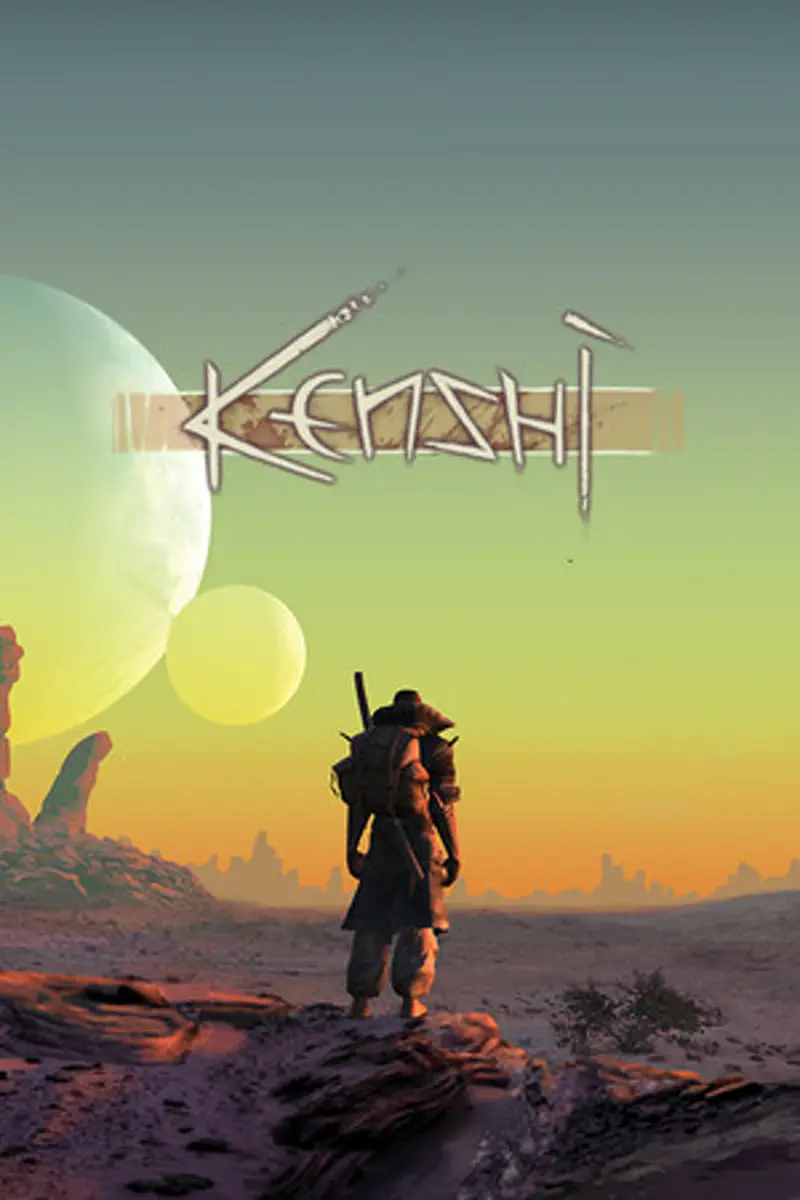
- Official: The Steam store page (key art, screenshots) and Lo-Fi Games' website host the official art. The key art — a lone wanderer facing a colossal ruin — is the game's signature image.
- Concept art: Lo-Fi has shared concept art in dev updates (archived on the Steam community/Lo-Fi site and community archives).
- Fan art: r/Kenshi is the hub — the community produces an enormous volume of fan art (character portraits, squad scenes, the famous "screenshot as art" posts).
- Wallpapers: Kenshi's landscapes are wallpaper gold — search "Kenshi wallpaper" on r/Kenshi, Wallpaper Engine, and Wallhaven for 4K/ultrawide versions.
Is There a Kenshi Art Book?
- No official printed art book has been released (as of 2026) — the art is shared via the game, the Steam page, and Lo-Fi's dev updates.
- Community-compiled art collections exist (fan-made archives on Steam guides/community).
Use the subreddit, Wallpaper Engine, and Wallhaven. Random "Kenshi wallpaper download" sites can bundle junk — you don't need third-party downloaders.
Frequently Asked Questions
Where can I find Kenshi concept art?
Lo-Fi Games' official gallery (lofigames.com/gallery), their dev blog and Steam community updates, and community fan-art collections on r/Kenshi. The loading-screen art is more detailed than in-game models — see the sections above.
Is there official Kenshi art?
Yes — the Steam page's key art and screenshots, plus Lo-Fi's dev-update art.
Where can I find Kenshi wallpapers?
r/Kenshi wallpaper threads, Wallpaper Engine, and Wallhaven — the empty-dune landscapes make excellent desktops.
What is Kenshi's art style?
A desaturated, brutalist post-apocalyptic wasteland — giant ruins, endless desert, tiny survivors. Documentary-of-a-dead-civilization energy.
Is there a Kenshi art book?
No official art book as of 2026 — official art is shared through the game and dev updates.
Does Kenshi 2 keep the art style?
The sequel (UE5) is expected to keep the same world/aesthetic with a modern engine — Lo-Fi hasn't shown final art, but the "earlier era" setting suggests the same dry, ruined look, possibly pre-collapse (more intact civilization). The dev blog and gallery already show Kenshi 2 biome designs that match the original's mood.